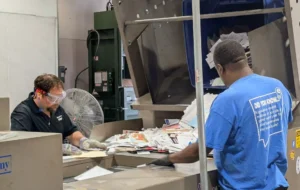
Most households and offices have a growing pile of paper on a desk, in a drawer, or next to the shredder. It is a mix of junk mail, old bills, medical explanations of benefits, and tax documents from years past. When it is finally time to declutter, dropping everything into the recycling bin feels quick and responsible.
The problem is that some of those pages contain enough information for someone else to become you. Identity theft remains a common crime, and digging through trash or recycling is still one of the simplest ways for thieves to find what they need. Knowing what documents need to be shredded and what can safely be recycled is an important layer of protection.
This guide walks through what should be shredded, what can go in the recycling bin, and how to handle older paperwork such as statements from closed accounts.
The Golden Rule: Look for Sensitive Personal Information
Before deciding what documents to shred, it helps to understand what criminals are trying to find. They look for any Personally Identifiable Information (PII) that can be used to open accounts, reset passwords, or answer security questions.
PII includes more than just a name and mailing address. When a document contains a combination of details such as date of birth, Social Security number, driver’s license number, bank or credit card numbers, account user IDs, or medical record numbers, it should be treated as sensitive. In practice, if you can imagine someone using the information on a page to pretend to be you, plan to shred it.
When you are unsure what documents should be shredded, it is safer to err on the side of destruction instead of recycling.
What Should You Shred? A Practical Checklist
When sorting a stack of paperwork, it helps to group items by type. The list below highlights common categories of documents to shred at home or through a secure shredding service.
Financial Records
Financial paperwork is often the most sensitive because it contains account numbers, balances, and transaction histories.
- Bank and credit union statements, including savings and checking
- Canceled checks and check images
- Credit card statements and receipts that list full card numbers
- Loan documents and payoff letters
- Investment and brokerage statements
- ATM receipts and deposit slips that show account balances
- Pay stubs and payroll summaries
Once these documents are no longer needed for tax or recordkeeping purposes, they belong in a shred bin rather than the trash or recycling.
Legal and Identification Documents
These documents help verify identity with government agencies, employers, and financial institutions. Old versions can still be misused.
- Photocopies of driver’s licenses and passports
- Expired identification cards that contain a photo or ID number
- Extra copies or drafts of wills, powers of attorney, and legal agreements
- Court documents that display case numbers and personal details
Original, active versions of these documents should be stored securely. Outdated or duplicate versions are examples of what documents should you shred as soon as they are replaced.
Medical and Insurance Papers
Medical identity theft allows someone to receive treatment or prescriptions under your name. It also risks altering your medical record.
- Medical bills and statements that list services, account numbers, or insurance IDs
- Explanation of Benefits (EOB) from health insurance providers
- Prescription labels on pill bottles or medication packaging
Before recycling a bottle or carton, peel off the label and place it with other materials that will be shredded.
Also Read: Why Should You Shred Documents?
What Can You Safely Recycle?
Many types of paper do not contain sensitive information and can go directly into the recycling stream. That keeps usable fiber out of landfills and reduces the volume you need to shred.
Items that are usually safe to recycle include:
- Newspapers, catalogs, and magazines without personal notes
- Generic flyers, coupons, and advertising mail addressed only to “Resident” or “Current Occupant”
- Office paper that does not list client details, account numbers, or internal IDs
- Cardboard packaging and shipping boxes once labels are removed
Some people still prefer to tear or shred the address section of envelopes or labels that list their name and address, but in most cases these can be recycled once the sensitive portion is removed.
Do I Need to Shred Statements from Closed Accounts?
Many people keep thick folders of paperwork from old bank, loan, and credit card accounts. Once an account is closed, it can be tempting to drop the remaining paper in the recycling and move on.
Closed account statements still carry value for identity thieves. They list your name, address, account structure, and sometimes full or partial numbers. They can also show where you previously banked or held credit, which can be useful to someone attempting to answer security questions or impersonate you with a creditor. For that reason, treat statements from closed accounts as financial records that belong with other documents to shred.
If you keep a final statement to show a zero balance or payoff, retain it only as long as necessary for your records, then place it in a secure shred container.
How Long to Keep Documents Before Shredding
Not every document should be destroyed immediately. Some records need to be available during tax season, for insurance claims, or for potential audits. The guidelines below provide a basic timeline for personal records. Businesses and nonprofits may have additional legal requirements.
- Tax returns and supporting documents: Keep at least 3 years, up to 7 years in situations where income or deductions could be questioned. After that period, these become documents to shred rather than store.
- Bank and credit card statements: Keep for 1 year for household records, or longer if they support tax deductions. Once the retention period has passed, shred them.
- Pay stubs: Keep until they can be matched against the annual W-2 or 1099, then shred.
- Utility and service bills: Keep until payment is confirmed and any disputes are resolved, then shred if they contain account numbers.
- Medical and insurance paperwork: Keep bills and EOBs until you confirm that claims are processed correctly and no further questions are expected from the provider or insurer. Shred them afterward.
These timelines help answer what documents should I shred now versus what to hold a little longer. Once a document has met its purpose and retention period, destruction is the safest next step.
Why Use a Professional Shredding Service?
Home shredders are helpful for small volumes, but they can be loud, slow, and prone to jams. Strips or coarse cross-cut pieces from some consumer models may also be easier to reconstruct than people expect. For larger cleanouts, periodic file purges, or ongoing business needs, a professional service provides a higher level of security and convenience.
Secure shredding providers use industrial equipment that turns paper into small, unreadable particles. Material is mixed with documents from many other customers, then sent for recycling. Many services also provide locked containers, documented chain of custody, and certificates of destruction, which can be important for businesses that handle client data.
For organizations and households in Hampton Roads, working with a trusted provider such as Eggleston’s shredding services adds another benefit. In addition to protecting sensitive information, you support meaningful employment opportunities for adults with disabilities in the community.
Turning a Stack of Paper into Peace of Mind
A cluttered drawer full of paperwork feels like a minor inconvenience, but the information inside it can cause real harm if it ends up in the wrong hands. Taking time to separate what documents should be shredded from what can be recycled reduces that risk and simplifies future organizing.
When in doubt, place anything with personal, financial, or medical details into a shred bin instead of the recycling cart. For larger projects at home or at work, consider scheduling a pickup or drop-off with a secure shredding provider. Eggleston can help you manage sensitive documents responsibly while supporting a mission-driven organization that serves people with disabilities across Hampton Roads.
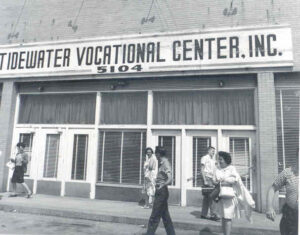

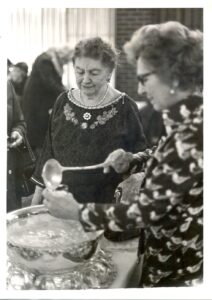 A local philanthropist and TVC volunteer, Mrs. Louise W. Eggleston, offered the use of a much larger building she owned, with TVC only paying reduced rent until she passed away, at which time the building would be donated to TVC. To memorialize her gift, the board voted to change the name of the organization to the Louise W. Eggleston Center.
 In 1990, the center was awarded two NISH
 In
In