Eggleston Featured on WNIS “Ask the Experts”:

Highlighting Brain Injury Awareness Month, Garden Center Growth, and the Upcoming OK5K

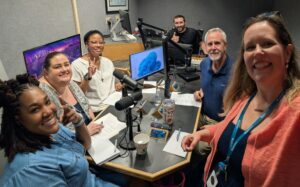
On March 14, 2026, Eggleston’s Director of Marketing and Events, Kristen Ricks, joined News Talk 790 WNIS’ “Ask the Experts” host Damien Hall along with several special guests for an engaging and informative conversation. The segment begins with a look at Eggleston’s rich history and how the organization has evolved and expanded its services over more than 70 years.

Listeners will also hear about what’s ahead for Eggleston in 2026, including upcoming community events like our popular shredding events, as well as new opportunities to get involved and support our mission.

Click the audio player below to listen to the full recording and learn more about how Eggleston is creating opportunities and changing lives every day.

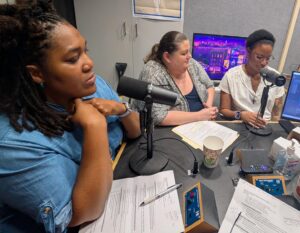
Following the break, the conversation shifts to Brain Injury Awareness Month. Jamie Peed, Eggleston’s Brain Injury Case Manager, and Teslyn Savage, Program Manager of Beacon House, share valuable insight into what constitutes a brain injury and why specialized support services are so critical for survivors.
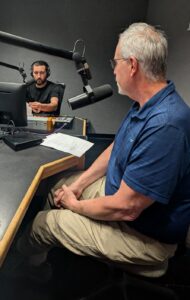

Together, they highlight the impact of Eggleston’s brain injury programs and the role they play in helping individuals rebuild independence and thrive within the community.

To hear directly from Jamie and Teslyn, click the link below.

During the final portion of the program, listeners heard from Nateara Hasbrouck, a brain injury survivor who shared her personal journey—how her injury occurred, the challenges she has faced during recovery, and her goals for the future. Her story is a powerful testament to resilience, courage, and determination, and serves as a meaningful reminder of the importance of the services and support available through Eggleston’s brain injury programs.

We also spoke with Brad Kirkpatrick, Eggleston’s Director of Retail Operations, who provided an update on what’s growing and blooming at our Garden Center. From seasonal plants to fresh offerings, the Garden Center continues to serve as both a community resource and a place of opportunity.

To close the program, Kristen Ricks shared details about Eggleston’s 17th Annual OK5K and 1 Mile Run, Walk, and Roll, taking place on Saturday, June 13th at Virginia Wesleyan University. This signature event brings the community together in support of Eggleston’s mission while promoting inclusion, fitness, and fun for participants of all abilities.

To learn more about these programs and Eggleston’s impact, click the link below to view the full story.


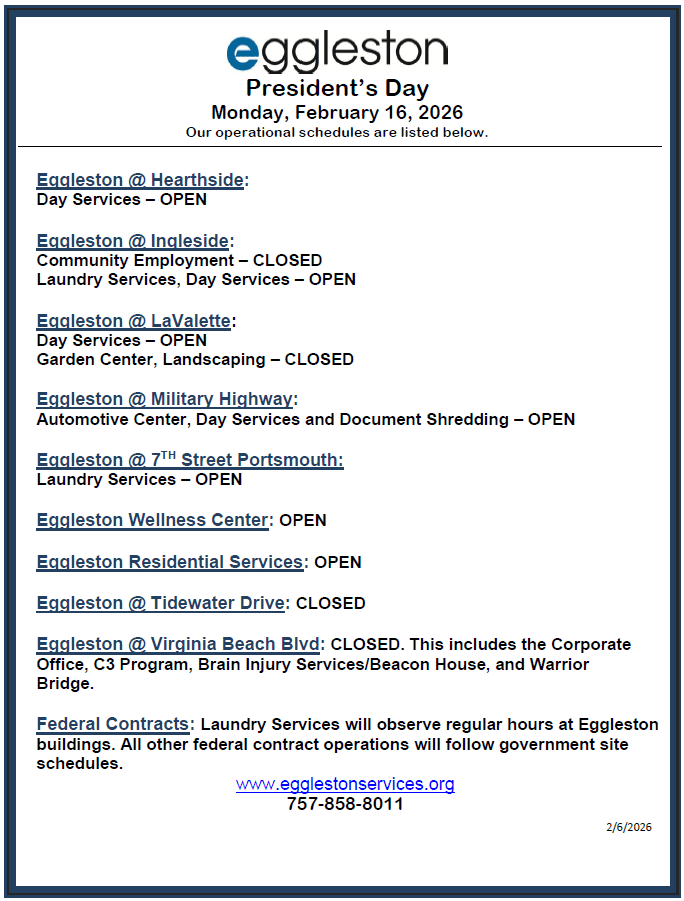
Please use these lists as a guide for our February 16, 2026 hours in observance of the Presidents’ Day holiday. For questions or additional information please call our front desk team at 757-858-8011 or email them at Info@egglestonservices.org

Thank You!

Most households and offices have a growing pile of paper on a desk, in a drawer, or next to the shredder. It is a mix of junk mail, old bills, medical explanations of benefits, and tax documents from years past. When it is finally time to declutter, dropping everything into the recycling bin feels quick and responsible.

The problem is that some of those pages contain enough information for someone else to become you. Identity theft remains a common crime, and digging through trash or recycling is still one of the simplest ways for thieves to find what they need. Knowing what documents need to be shredded and what can safely be recycled is an important layer of protection.

This guide walks through what should be shredded, what can go in the recycling bin, and how to handle older paperwork such as statements from closed accounts.

The Golden Rule: Look for Sensitive Personal Information

Before deciding what documents to shred, it helps to understand what criminals are trying to find. They look for any Personally Identifiable Information (PII) that can be used to open accounts, reset passwords, or answer security questions.

PII includes more than just a name and mailing address. When a document contains a combination of details such as date of birth, Social Security number, driver’s license number, bank or credit card numbers, account user IDs, or medical record numbers, it should be treated as sensitive. In practice, if you can imagine someone using the information on a page to pretend to be you, plan to shred it.

When you are unsure what documents should be shredded, it is safer to err on the side of destruction instead of recycling.

What Should You Shred? A Practical Checklist

When sorting a stack of paperwork, it helps to group items by type. The list below highlights common categories of documents to shred at home or through a secure shredding service.

Financial Records

Financial paperwork is often the most sensitive because it contains account numbers, balances, and transaction histories.

  • Bank and credit union statements, including savings and checking
  • Canceled checks and check images
  • Credit card statements and receipts that list full card numbers
  • Loan documents and payoff letters
  • Investment and brokerage statements
  • ATM receipts and deposit slips that show account balances
  • Pay stubs and payroll summaries

Once these documents are no longer needed for tax or recordkeeping purposes, they belong in a shred bin rather than the trash or recycling.

Legal and Identification Documents

These documents help verify identity with government agencies, employers, and financial institutions. Old versions can still be misused.

  • Photocopies of driver’s licenses and passports
  • Expired identification cards that contain a photo or ID number
  • Extra copies or drafts of wills, powers of attorney, and legal agreements
  • Court documents that display case numbers and personal details

Original, active versions of these documents should be stored securely. Outdated or duplicate versions are examples of what documents should you shred as soon as they are replaced.

Medical and Insurance Papers

Medical identity theft allows someone to receive treatment or prescriptions under your name. It also risks altering your medical record.

  • Medical bills and statements that list services, account numbers, or insurance IDs
  • Explanation of Benefits (EOB) from health insurance providers
  • Prescription labels on pill bottles or medication packaging

Before recycling a bottle or carton, peel off the label and place it with other materials that will be shredded.

Also Read: Why Should You Shred Documents?

What Can You Safely Recycle?

Many types of paper do not contain sensitive information and can go directly into the recycling stream. That keeps usable fiber out of landfills and reduces the volume you need to shred.

Items that are usually safe to recycle include:

  • Newspapers, catalogs, and magazines without personal notes
  • Generic flyers, coupons, and advertising mail addressed only to “Resident” or “Current Occupant”
  • Office paper that does not list client details, account numbers, or internal IDs
  • Cardboard packaging and shipping boxes once labels are removed

Some people still prefer to tear or shred the address section of envelopes or labels that list their name and address, but in most cases these can be recycled once the sensitive portion is removed.

Do I Need to Shred Statements from Closed Accounts?

Many people keep thick folders of paperwork from old bank, loan, and credit card accounts. Once an account is closed, it can be tempting to drop the remaining paper in the recycling and move on.

Closed account statements still carry value for identity thieves. They list your name, address, account structure, and sometimes full or partial numbers. They can also show where you previously banked or held credit, which can be useful to someone attempting to answer security questions or impersonate you with a creditor. For that reason, treat statements from closed accounts as financial records that belong with other documents to shred.

If you keep a final statement to show a zero balance or payoff, retain it only as long as necessary for your records, then place it in a secure shred container.

How Long to Keep Documents Before Shredding

Not every document should be destroyed immediately. Some records need to be available during tax season, for insurance claims, or for potential audits. The guidelines below provide a basic timeline for personal records. Businesses and nonprofits may have additional legal requirements.

  • Tax returns and supporting documents: Keep at least 3 years, up to 7 years in situations where income or deductions could be questioned. After that period, these become documents to shred rather than store.
  • Bank and credit card statements: Keep for 1 year for household records, or longer if they support tax deductions. Once the retention period has passed, shred them.
  • Pay stubs: Keep until they can be matched against the annual W-2 or 1099, then shred.
  • Utility and service bills: Keep until payment is confirmed and any disputes are resolved, then shred if they contain account numbers.
  • Medical and insurance paperwork: Keep bills and EOBs until you confirm that claims are processed correctly and no further questions are expected from the provider or insurer. Shred them afterward.

These timelines help answer what documents should I shred now versus what to hold a little longer. Once a document has met its purpose and retention period, destruction is the safest next step.

Why Use a Professional Shredding Service?

Home shredders are helpful for small volumes, but they can be loud, slow, and prone to jams. Strips or coarse cross-cut pieces from some consumer models may also be easier to reconstruct than people expect. For larger cleanouts, periodic file purges, or ongoing business needs, a professional service provides a higher level of security and convenience.

Secure shredding providers use industrial equipment that turns paper into small, unreadable particles. Material is mixed with documents from many other customers, then sent for recycling. Many services also provide locked containers, documented chain of custody, and certificates of destruction, which can be important for businesses that handle client data.

For organizations and households in Hampton Roads, working with a trusted provider such as Eggleston’s shredding services adds another benefit. In addition to protecting sensitive information, you support meaningful employment opportunities for adults with disabilities in the community.

Turning a Stack of Paper into Peace of Mind

A cluttered drawer full of paperwork feels like a minor inconvenience, but the information inside it can cause real harm if it ends up in the wrong hands. Taking time to separate what documents should be shredded from what can be recycled reduces that risk and simplifies future organizing.

When in doubt, place anything with personal, financial, or medical details into a shred bin instead of the recycling cart. For larger projects at home or at work, consider scheduling a pickup or drop-off with a secure shredding provider. Eggleston can help you manage sensitive documents responsibly while supporting a mission-driven organization that serves people with disabilities across Hampton Roads.

Schedule an Appointment

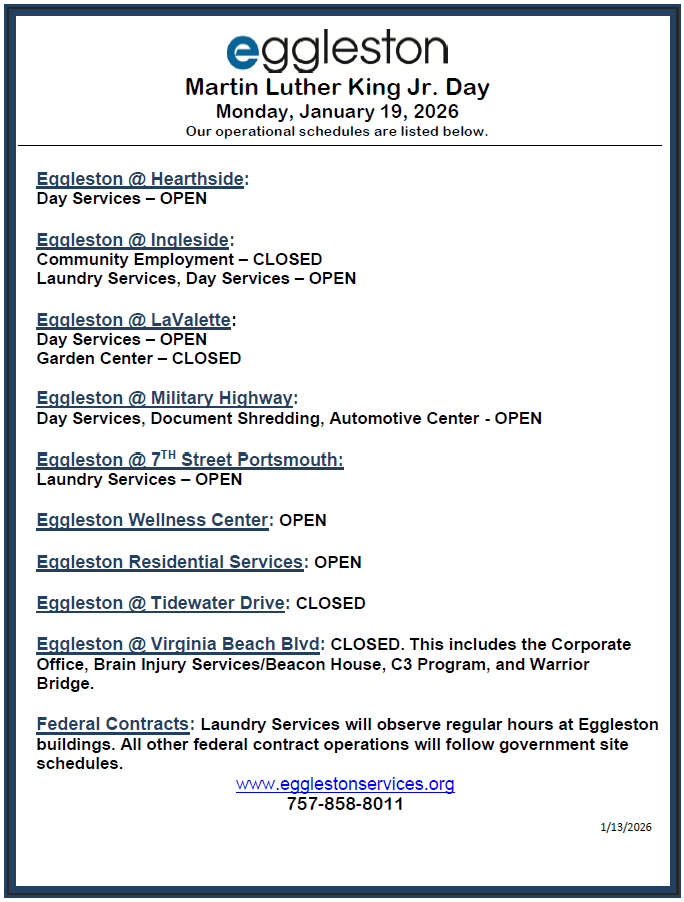
Please use these lists as a guide for our January 19, 2026 hours in observance of the Martin Luther King Jr. holiday. For questions or additional information please call our front desk team at 757-858-8011 or email them at Info@egglestonservices.org

Thank You!

70 Years of Empowering People

The Story of Eggleston


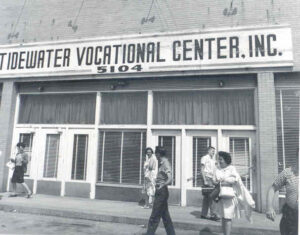
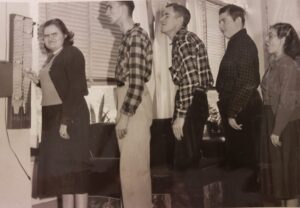
Eggleston began in 1955, when a group of parents came together to create meaningful daytime activities for their adult children with disabilities. Originally incorporated as the Tidewater Vocational Center (TVC), the organization started at 621 Botetourt Street, in Norfolk with just eight employees. Within ten years, TVC had expanded to a larger location, added new training opportunities including gardening, printing, a laundromat, and grown to serve 80 individuals with disabilities. Although the center was initially created to serve only individuals with intellectual disabilities and cerebral palsy, in March of 1968, TVC began serving people with all disabilities types.

During the 1970’s, Tidewater Vocational Center began a food service training program, a service station training program, and planted the first of the azaleas at the Norfolk Botanical Gardens. Also, training centers were started in Portsmouth and Chesapeake, and the organization celebrated its 20th anniversary.

A local philanthropist and TVC volunteer, Mrs. Louise W. Eggleston, offered the use of a much larger building she owned, with TVC only paying reduced rent until she passed away, at which time the building would be donated to TVC. To memorialize her gift, the board voted to change the name of the organization to the Louise W. Eggleston Center.
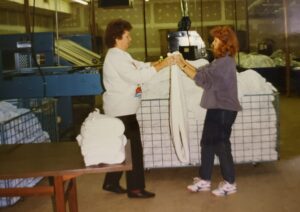
By the early eighties, The Eggleston Center expanded to offer five programs serving 156 individuals with disabilities supported by 29 staff members. The 30th anniversary was celebrated by the receipt of two awards; “The Most Valuable Facility” award and “The Small Vocational Facility of the Year” award both from the Virginia Association of Rehabilitation Facilities.

In 1990, the center was awarded two NISH (National Industries for the Severely Handicapped) federal contracts; at Langley Air Force Base and at Portsmouth Naval Hospital. These two contracts were the beginning of a long and beneficial relationship with the federal government. In 1992, two additional NISH contracts were awarded to Eggleston, at Norfolk Naval Station Galley and providing laundry service to Portsmouth Naval Hospital. In August of 1993, Eggleston was approached by the Army Corps of Engineers to assume mail room operations at its Norfolk location.
The expansion of services offered by The Louise W. Eggleston Center continued through the 1990’s and included three specialized services programs: a business services division, a community-based employment division, and a government contracts division.

In more recent years, the organization shortened its name to Eggleston.

In 1998, Eggleston began providing business fulfillment services such as packaging, bulk mailing, and assembly. In the spring of 1999 Tanner’s Creek Garden Center opened. This operation raised plants in greenhouses and sold them in a retail store. That same year, Eggleston joined with the Civitan Club of Norfolk to enhance opportunities for citizens with disabilities by offering vacations and other specialty services at Civitan Acres, a 14-acre resort and wellness facility located in Chesapeake, Virginia.

In September of 2001, Eggleston started a vehicle donation program, in which every aspect of the donation process is handled in-house from the phone operators to the vehicle preparation, towing and ultimately auctions which are held every other Saturday. They also began to promote their programs through radio and television marketing.

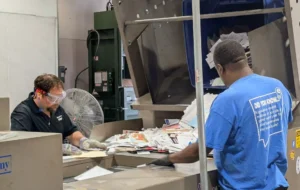
Workers processing confidential papers for secure document shredding services in Hampton, VA.

During the early 2000s, Eggleston continued to grow, adding unique programs outside the traditional sheltered workshop model, including B2B services like embroidery, document shredding, and document conversion.

In 2010, Eggleston purchased a large facility with the capacity to accommodate 80-100 employees, in a facility specifically designed to meet the needs of persons with disabilities.

In recent years, new programs have been added for veterans, brain injury survivors, and residential living, along with the establishment of the Eggleston Foundation to ensure long-term sustainability.

Today, Eggleston serving over 2000 individuals a year, is a multi-faceted and vibrant organization that empowers people with disabilities through employment, day support, residential services, brain injury, and veteran programs — continuing a proud tradition of independence, dignity, inclusion, and opportunity for 70 years.

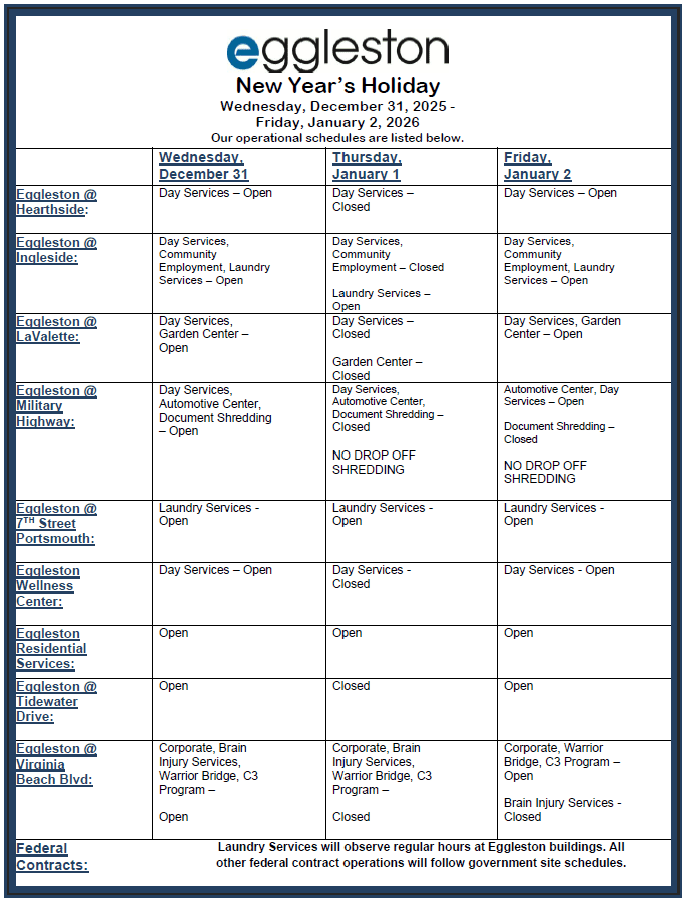
Please use this lists as a guide for our hours on December 31, 2025 – January 2, 2026, in observance of the New Year’s Holiday holiday. For questions or additional information please call our front desk team at 757-858-8011 or email them at Info@egglestonservices.org

Thank You!


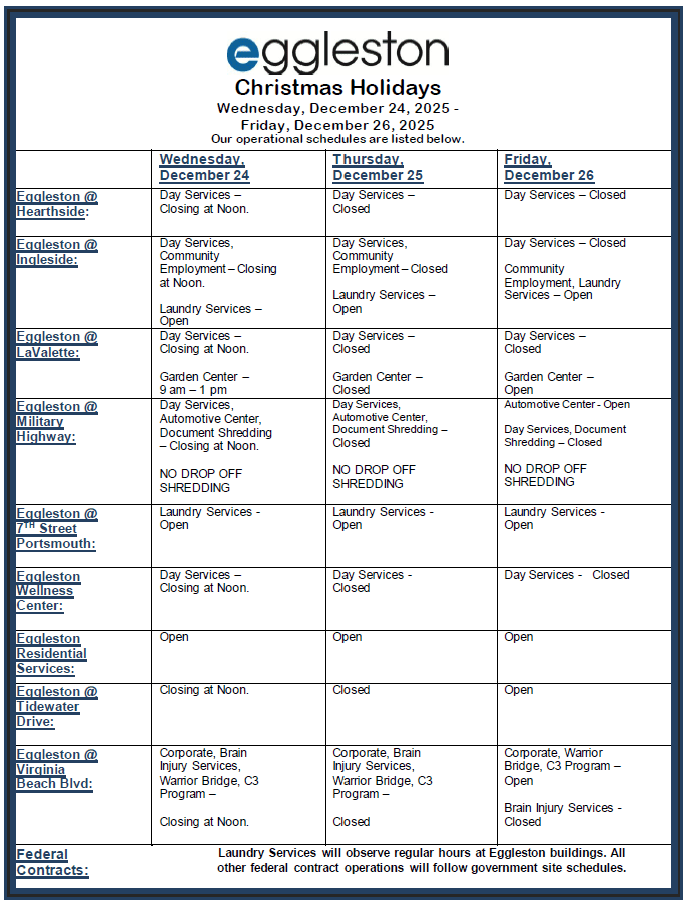
Please use this lists as a guide for our hours on December 24, 25, and 26, 2025, in observance of the Christmas holiday. For questions or additional information please call our front desk team at 757-858-8011 or email them at Info@egglestonservices.org

Thank You!

Eggleston talks about our

Christmas Trees, Photos with Santa, and

our Behavioral Health & Developmental Services


On November 29, 2025, Eggleston’s Vice President of Marketing and Development, Geraldine Eady and Director of Marketing, Kristen Ricks, were joined by several guests on News Talk 790 WNIS “Ask the Experts” show with Damien Hall. We started with a brief history of Eggleston and how the organization has expanded over the last 70 years.

We shared highlights from the recent 70th anniversary Gala which took place on September 18th at the Hilton Norfolk – The Main. The event was filled with memorable stories, a live and silent auction, live music and more. Thanks to all the sponsors, volunteers, staff, board members, and attendees who made this event such a success.

Kristen also shared information about the second annual Eggleston Haunted House and Eggleston’s week long celebrations for our Veteran employees. Click on the link below to hear the full story.

After the break we shifted from what Eggleston has been up to and focused on what we have coming up. Kristen talked about Eggleston Annual Awards dinner which will take place on Thursday December 4th. This event is designed to recognize top performers at Eggleston and employees who are celebrating 20, 25, 30, 35, and 40+ years of service. Next we heard from Brad Kirkpatrick, Eggleston’s Director of Retail Operations, who talked about all things Christmas trees and the upcoming Photos with Santa on December 13th from 1-3pm at the Eggleston Garden Center. To hear from Kristen and Brad click on the link below.

During the final half of the program Geraldine talked about the season of giving and different ways you can connect and support Eggleston. She also introduced Dominique Pierce, the Director of Behavioral Health & Developmental Services at Eggleston. Dominique then spoke about Eggleston’s residential and day services program and the impact those programs have on the hundreds of participants.  Many of the donations Eggleston receives go to support these programs and other like it to help individuals with disabilities live a more complete and inclusive life.  If you would like to learn more about this programs and Eggleston click on the link below for the full story.

Group home residents smiling and raising their hands in celebration while enjoying a meal around a table.

Please use this lists as a guide for our hours on November 27 and 28, 2025, in observance of the Thanksgiving holiday. For questions or additional information please call our front desk team at 757-858-8011 or email them at Info@egglestonservices.org

Thank You!

Vehicle donation can make a meaningful difference for both you and your community. When you decide to part with an old vehicle, you have a few options. Selling it privately can be a hassle, and trading it in might not give you the value you expect. Donating it, however, turns an unused asset into a powerful tool for change.

With a program like Eggleston’s Vehicle Donation Program, your car, truck, or van directly supports adults with disabilities across Hampton Roads. This guide will walk you through how car donation works, debunk common car donation myths, weigh the pros and cons, and help you answer the question, “Is car donation worth it?”. Spoiler alert: it is!

What Happens When You Donate a Car?

When you donate your car to a charity like Eggleston, it’s not just about getting rid of an old vehicle; it’s the first step in a process that creates opportunities.

Here’s a look behind the scenes at how it works:

  1. Vehicle Retrieval: The process starts when you drop off your vehicle at our Military Highway location or schedule a free pickup. A tow truck comes to your location, whether it’s your home or office, at no cost to you. You don’t even need to be present, as long as you leave the keys and a valid title in an agreed-upon location.
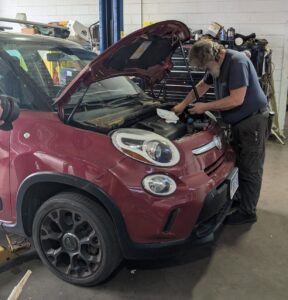
  2. Processing and Repair: Once the vehicle arrives at our facility, our team of mechanics and detailers assesses, cleans, and makes minor repairs to ensure the vehicle is safe and ready for its next chapter.
  3. Sale or Use: Depending on its condition, the vehicle is sold at an auction, with proceeds directly funding Eggleston’s essential services. Even non-running cars have value; they can be fixed or sold for parts or scrap metal, with the funds still supporting our mission.

At Eggleston, every donated vehicle supports employment, education, and community programs for individuals with disabilities in Hampton Roads. Your donation stays local, empowering people in our community to achieve greater independence.

Car Donation Facts vs. Myths

Misconceptions about car donation can prevent people from making a positive impact. Let’s separate the car donation myths from facts.

  • Myth: “It’s just a tax scam.”
    Fact: Reputable charities are fully compliant with IRS regulations. To avoid car donation scams, always verify the organization’s nonprofit status. When you donate to an established 501(c)(3) nonprofit like Eggleston, the process is transparent. You will receive an official IRS Form 1098-C from us, which is required to claim a legitimate tax deduction.
  • Myth: “Charities don’t get much value from it.”
    Fact: Every donation, regardless of the vehicle’s condition, generates crucial funding. The proceeds from auction sales directly support Eggleston’s programs, from job training and placement to supportive housing. The entire donation process is handled in-house by Eggleston employees, meaning more of every dollar raised goes right back into our key programs that empower adults with disabilities. Your old car can become a paycheck for someone learning new skills or a safe place for them to live.
  • Myth: “It’s too much hassle.”
    Fact: Donating a car is often much easier than selling it. Reputable programs offer free towing, handle most of the paperwork, and provide a quick turnaround. All you typically need is a valid title. The entire process can often be completed within minutes.
  • Myth: “Only working cars can be donated.”
    Fact: This is a common misconception. Eggleston and many other charities accept vehicles in any condition, running or not. Even a car that hasn’t started in years can be sold or used for parts, and the funds generated still help us.

The Benefits of Donating Your Car

Here’s a reminder of the pros of donating your vehicle.

  • Support a Cause Without Spending Money: Your unwanted vehicle is a non-cash asset that can be transformed into vital funding for local disability services. It’s a powerful way to give back to the community without opening your wallet.
  • Receive a Tax Deduction: One of the most tangible benefits is the potential tax deduction for a donated vehicle. The amount you can deduct depends on how the charity uses the car. If it sells for more than $500, you can deduct the full sale price. If it sells for $500 or less, you can deduct its fair market value up to $500. A tax professional can help you determine how much tax write-off for a car donation you can claim, as long as you have your tax receipt.
  • Enjoy Free and Convenient Towing: We offer free towing services to pick up your vehicle donation. This means you don’t have to worry about the logistics or cost of moving your vehicle, especially if it may not be running.
  • Save Time and Avoid Hassle: Compared to a private sale, one of the benefits of donating your car is that it saves you significant time and effort. There are no online listings to create, no phone calls to field from potential buyers, and no negotiations over price. The process is simple, direct, and efficient. If you’re deciding between car donation vs. selling, the ease of donation is a major advantage.

Vehicle Donation Pros and Cons

To make an informed decision, it’s important to look at the full picture. While there are many advantages, here are a few considerations to keep in mind.

  • You Won’t Receive Cash: The most obvious difference from selling your car is that you will not receive any cash in hand. The direct financial benefit comes later, in the form of a tax deduction for donated vehicles.
  • The Tax Deduction May Be Less Than a Private Sale: Your potential tax deduction is tied to the vehicle’s sale price at auction or its fair market value. In some cases, this amount might be less than what you could get from a private sale, especially for a high-demand vehicle in good condition.
  • Documentation Is Essential: To claim your tax benefits, you must keep meticulous records. This includes the IRS Form 1098-C you will receive from us. Failing to complete the necessary IRS forms correctly can result in losing the deduction. It’s wise to consult IRS guidelines or a tax professional for clarity.

Making the Most of Your Vehicle Donation

To ensure your generosity has the greatest possible impact, follow these simple steps.

  1. Choose a Trusted 501(c)(3) Nonprofit: Research the organization to confirm it’s a legitimate, IRS-qualified charity. Choosing a local organization like Eggleston ensures the benefits stay within your community.
  2. Understand IRS Valuation Guidelines: Know how your deduction will be calculated. Use resources like Kelley Blue Book to estimate your vehicle’s fair market value, but remember your deduction will be based on the final sale price if it’s over $500.
  3. Get a Receipt and Written Acknowledgment: Never donate a vehicle without getting proper documentation. While Eggleston provides the necessary paperwork, it’s your responsibility to keep track of these documents for your tax records.
  4. Research How the Charity Uses the Proceeds: Does car donation help the charity? Absolutely, but the level of impact can vary. Look for organizations that are transparent about how they use funds. Eggleston proudly reinvests all proceeds into local programs that empower adults with disabilities.

Turn Your Old Car into a New Opportunity

So, is car donation worth it? With a trusted partner like Eggleston, the answer is a clear and resounding yes. Every donation helps people with disabilities in our communities gain independence, develop valuable job skills, and build a brighter future.

Make a car donation in Virginia today and turn your old vehicle into a new opportunity for someone who needs it most.

Frequently Asked Questions

Do you get a tax write-off for donating a car?

Yes, donors are eligible for a tax deduction. The amount depends on how the charity uses the vehicle or the price it sells for at auction. Always obtain an official receipt and Form 1098-C.

Can I donate a car that doesn’t run?

Absolutely. Non-working vehicles can be valuable donations. They are often sold for parts or salvage, with the proceeds still funding the charity’s mission.

Is it better to sell or donate a car?

If your primary goal is to maximize community impact and simplify the process of getting rid of an old vehicle, donation is often the better choice.