What if getting rid of your old car was easier than selling it, and felt good?

Forget the listings, lowball offers, and hassle of paperwork. Donating your vehicle is a smarter, simpler way to say goodbye to that unwanted car, and unlock a possible tax deduction while you’re at it. Even better? It’s an opportunity to make a real impact, helping nonprofit organizations like Eggleston empower lives and create community change.

But where should you begin? Start with our Vehicle Donation Prep Checklist to ensure a smooth process from start to finish. From paperwork to pre-pickup tips, our guide breaks down the key steps before donating a vehicle.

Initial Evaluation 

Car Donation Requirements 

Before jumping into paperwork and logistics, ask yourself this simple question: “Is my car ready to donate?” The good news is that Eggleston accepts non-running vehicles and will even arrange for free towing. Here’s what else to consider:

  • Does the car need to be operational?
    No, Eggleston accepts non-operable vehicles since our team can repair, recycle, or resell them to support our mission.
  • What’s the fair market value?
    Knowing your vehicle’s value is critical for tax deduction purposes. Use tools like Kelley Blue Book or NADA Guides to determine its fair market value. If the car is sold for over $500, you can claim the full sale price for your tax deduction. Below $500? You can still claim the fair market value up to $500, per IRS guidelines.
  • Be honest about its condition. A clear, detailed description of your car’s condition helps us plan for repairs, resale, or recycling efforts accurately. Transparency benefits everyone involved.

Documents Needed to Donate a Car

One of the essential questions people ask is, “What paperwork is needed for a car donation?” Gathering the correct documents beforehand makes the entire process seamless. Add the following to your Vehicle Donation Prep Checklist:

  • Vehicle Title
    Can you donate a car without a title? No. Eggleston always requires a valid title. Without it, your car donation won’t be accepted. If the title is missing, you may be able to apply for a replacement through your local DMV.
  • Odometer Disclosure
    Some states require you to disclose your car’s mileage at the time of donation. Double-check the regulations in your area.
  • Lien Release Paperwork
    If your car had a loan, ensure you’ve cleared it and obtained a lien release from your lender.
  • State-Specific Forms
    Depending on your state, there may be additional documentation required, such as donation affidavits or tax forms. Confirm with your local DMV or nonprofit.
  • Tax Documentation
    Once your car is picked up and sold, you’ll receive IRS Form 1098-C and a thank-you letter summarizing the sale. These will be critical for your tax filing. You can find more details in our guide to car donation tax deduction. Making sure all your paperwork is in order ensures the process is smooth and stress-free.

How to Prepare a Car for Donation 

Preparing your car for donation doesn’t just involve cleaning and removing personal items. These steps will help you hand over a donation-ready vehicle while saving time and effort:

1. Clean the Vehicle 

Give your car a good wash and vacuum the interior. While Eggleston will handle detailing, presenting a clean car shows respect and makes inspections easier for us.

2. What to Remove Before Donating a Car

Take off your license plates. Many states require you to remove the license plates before transferring ownership. Check your local laws to confirm this step. 

3. Personal Belongings 

Check thoroughly for personal items. Don’t forget common hiding spots like glove compartments, under seats, and trunk storage. 

4. Cancel Insurance and Registration 

Once your car is donated, cancel your insurance policy and registration to avoid any unnecessary charges or liabilities. 

5. What Not to Leave 

Avoid leaving sensitive items like house keys, garage openers, or bank paperwork in the vehicle.

By using this vehicle donation checklist, you’ll make the process smoother for both Eggleston and yourself.

Choosing a Charity Like Eggleston 

Once your car is prepped, the next big decision is to choose where it goes. When comparing car donation services, trust and impact matter. Here’s what to look for:

  • 501(c)(3) Status – Ensure the nonprofit is registered as a 501(c)(3) organization. This status allows your donation to be tax-deductible. Search the IRS Tax-Exempt Organization list to verify legitimacy. 
  • Transparency – Donate to a charity that’s clear about where your funds go. For example, Eggleston uses vehicle donations to support job training and education for individuals with disabilities in the Virginia Beach community. 
  • Local Impact – Keep your donation local where possible. Eggleston auctions vehicles locally, ensuring proceeds stay within the community to directly benefit local initiatives. 

Why trust Eggleston? With decades of experience, we’re known for our mission-driven impact and commitment to empowering lives. See why Eggleston is one of the best car donation services in Virginia Beach.

Vehicle Donation FAQs

1. How long does the donation process take? 

The process is quick and simple. Typically, you can contact us, arrange a tow, and complete required paperwork in as little as a couple of days. 

2. How does Eggleston get my vehicle?

We will schedule a tow, or you may drop it off at our Norfolk Auto Center located at 3525 N. Military Highway, Norfolk, VA 23518.

3. Can I donate a car that doesn’t run? 

Yes. Eggleston accepts vehicles running or not.

4. Will I get a receipt immediately? 

Yes. After we receive your vehicle, we will provide a thank-you letter right away. Final tax documents, such as IRS Form 1098-C, will be issued once the vehicle has been sold.

For our complete list of FAQs, visit Eggleston’s vehicle donation services page.

Make a Difference Today 

By following this Vehicle Donation Prep Checklist, you’re ensuring a smooth process that maximizes the impact of your generous contribution. From preparing your car to gathering the necessary documents, each step brings you closer to making a difference in our community. 

Eggleston simplifies car donation and ensures your contribution changes lives. Are you ready to take the next step? 

Start your donation today here and join a cause that empowers individuals with disabilities, strengthens communities, and drives change.

Please use these lists as a guide for our July 4, 2025 hours in observance of the Independence Day holiday. For questions or additional information please call our front desk team at 757-858-8011 or email them at Info@egglestonservices.org

Thank You!

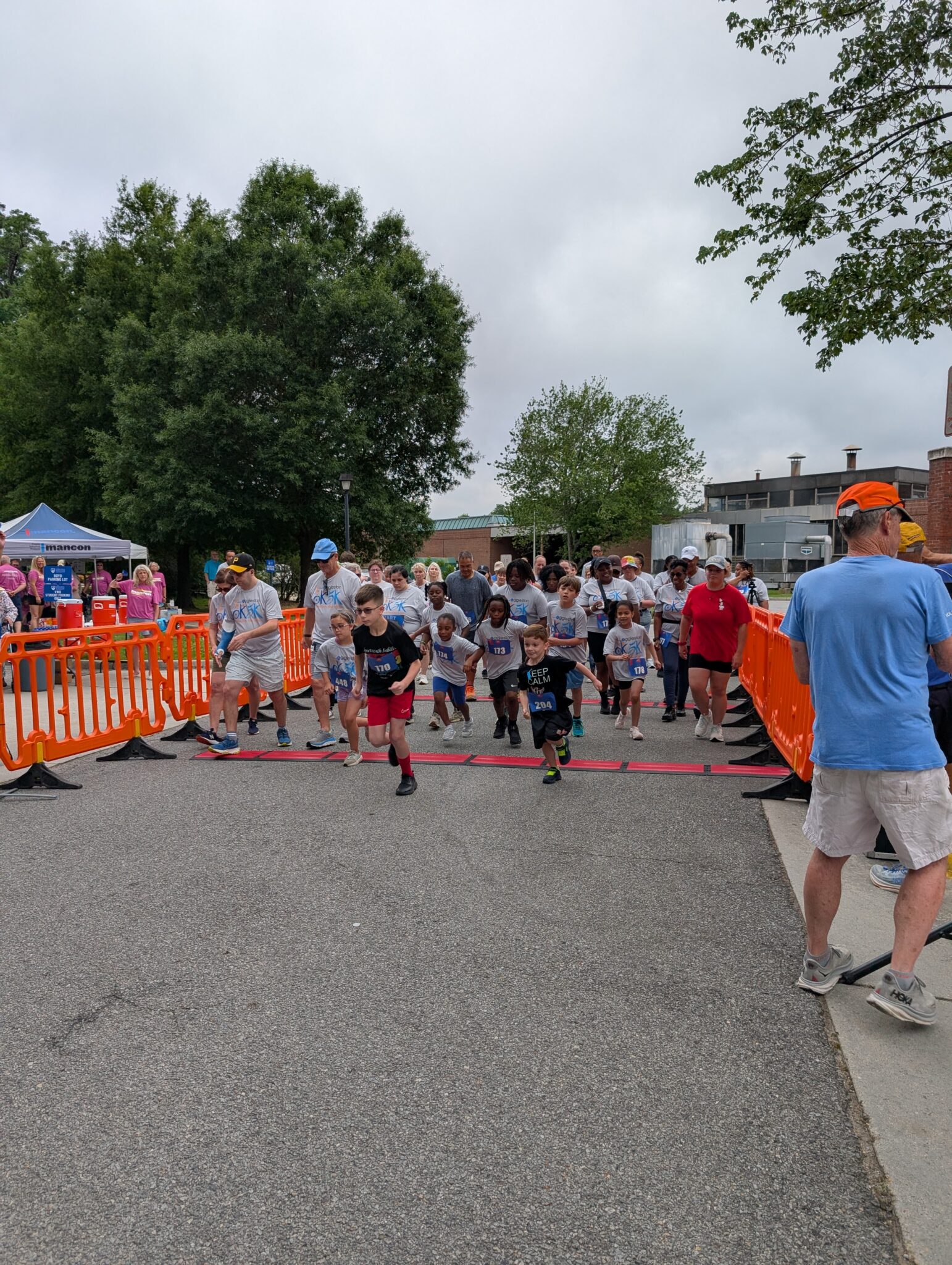
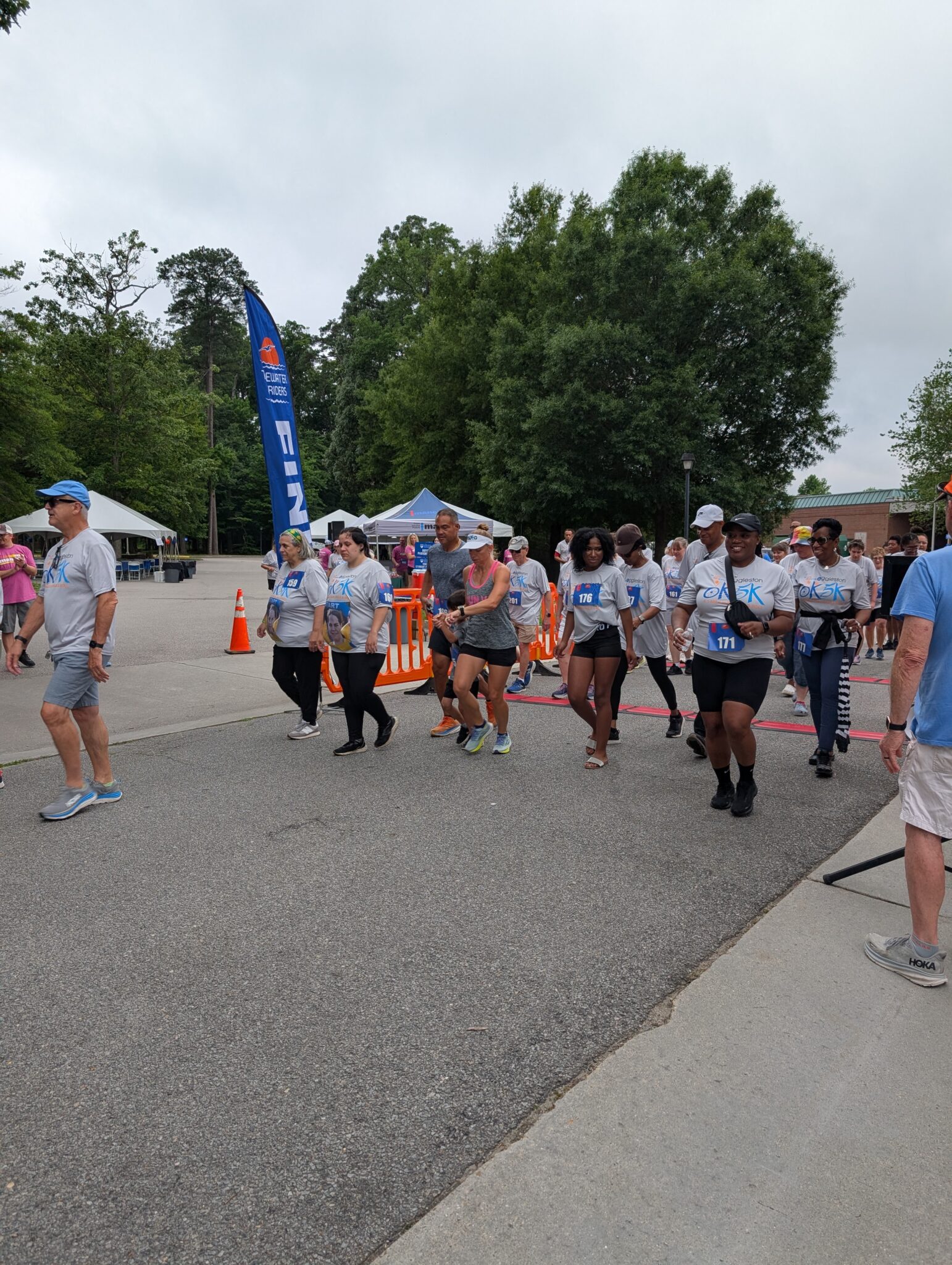
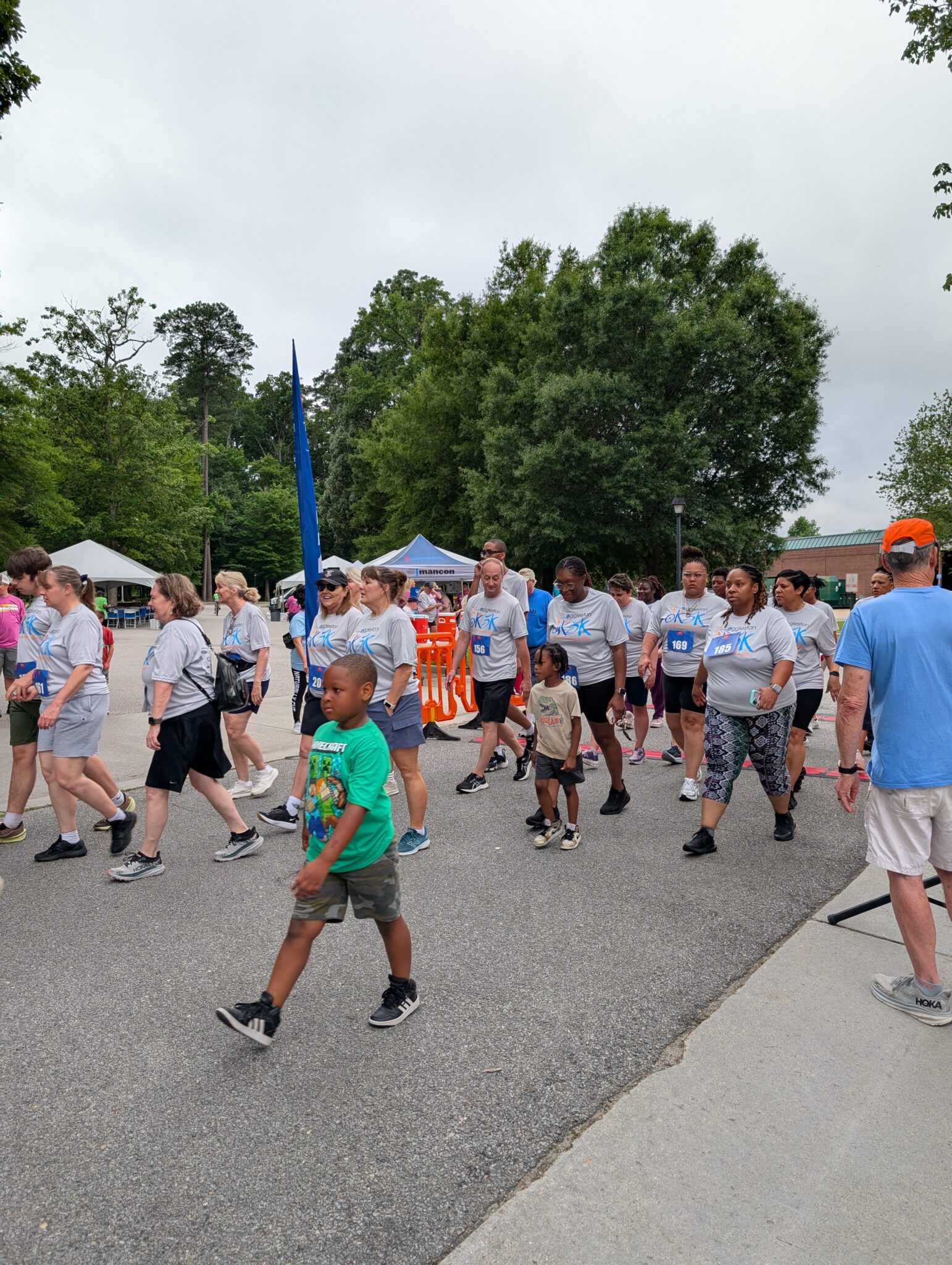
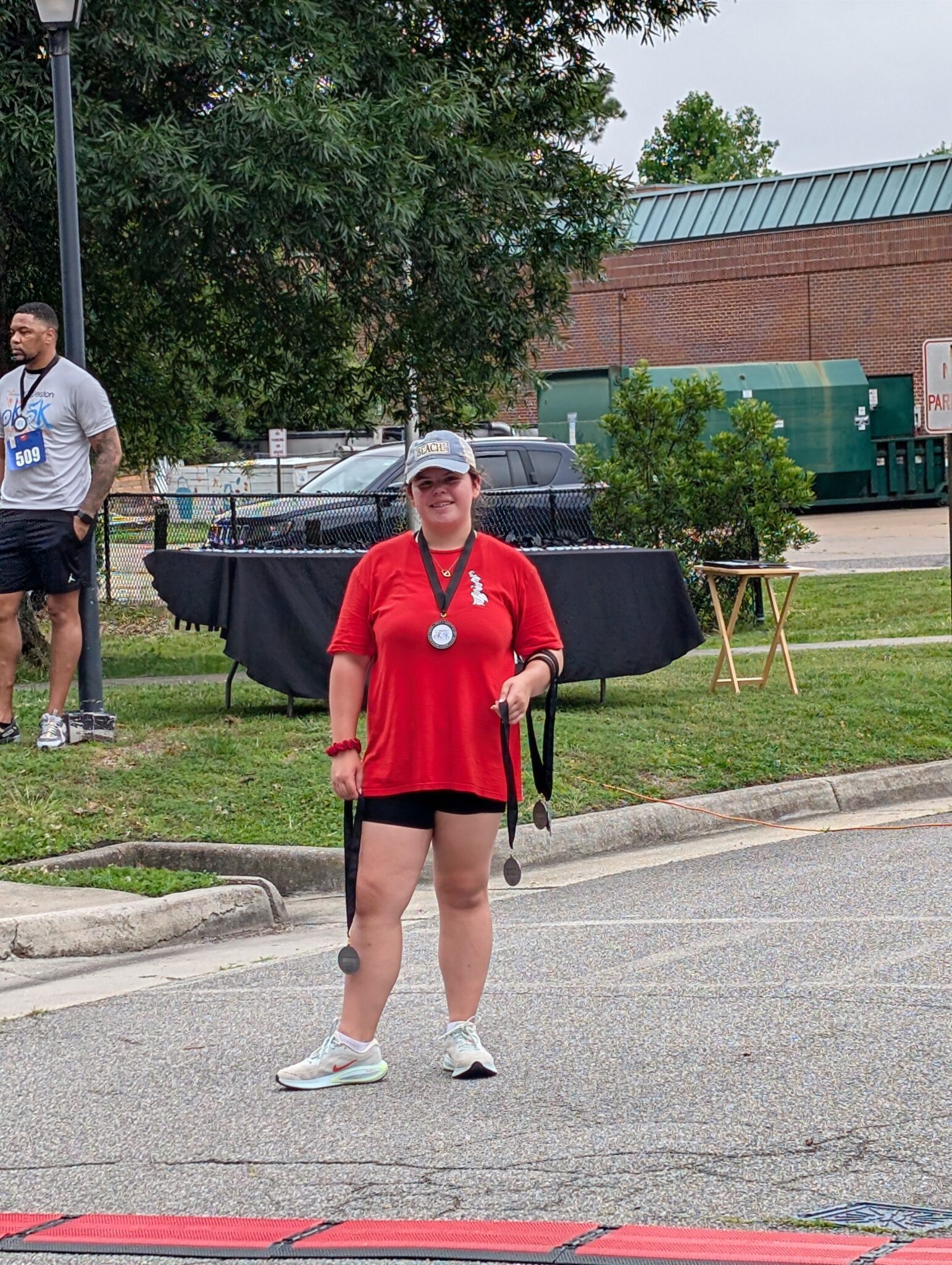
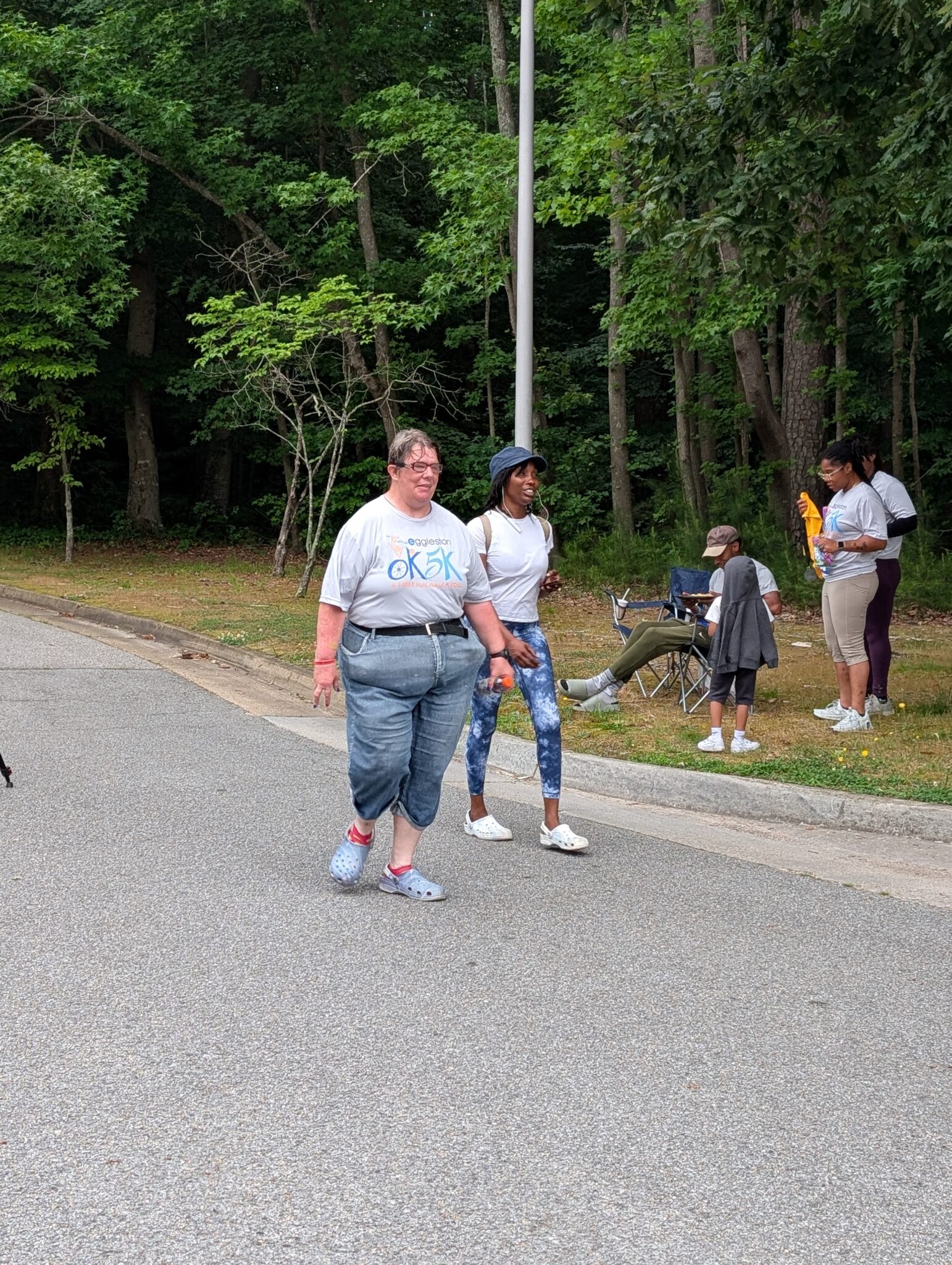
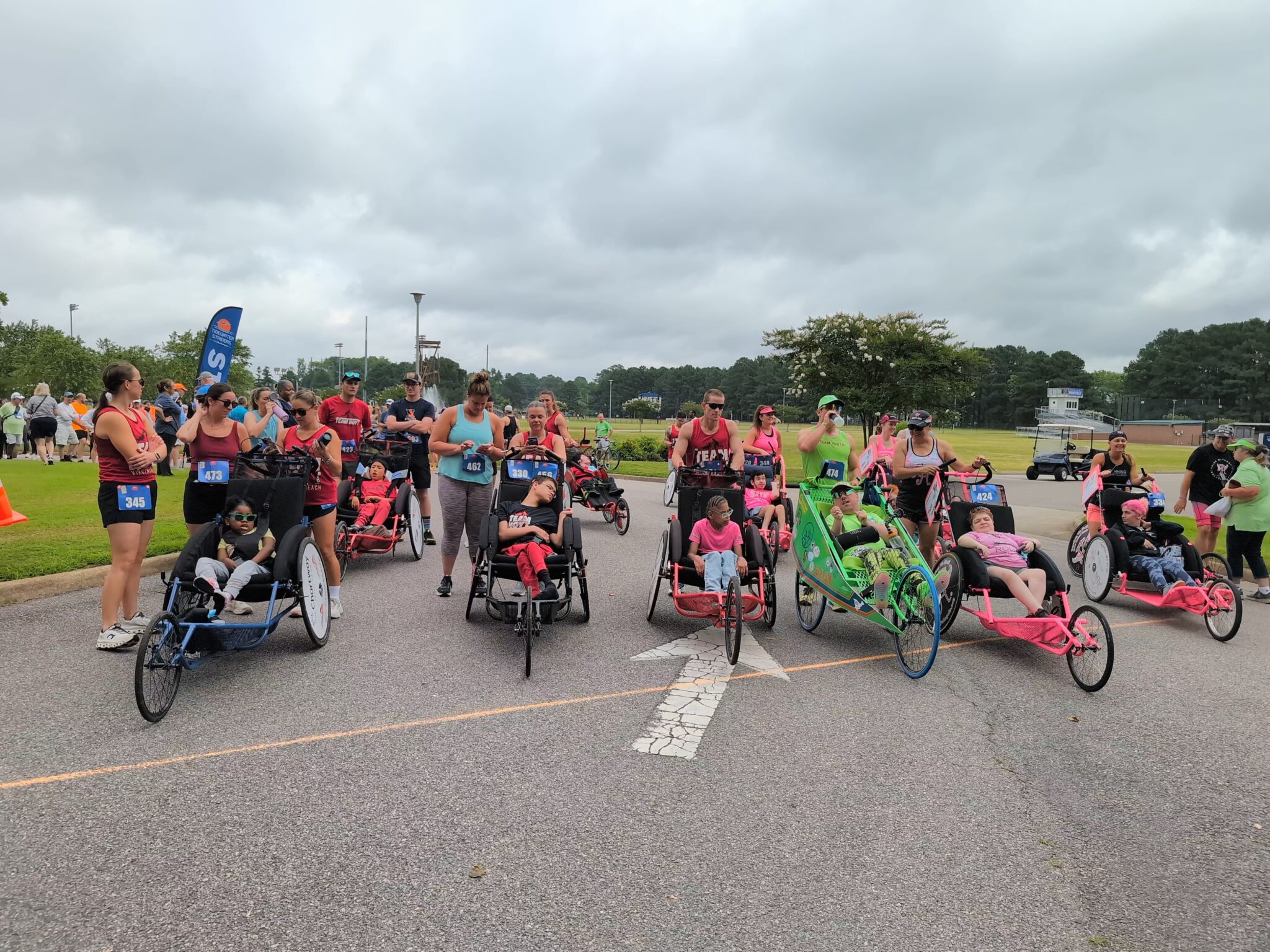
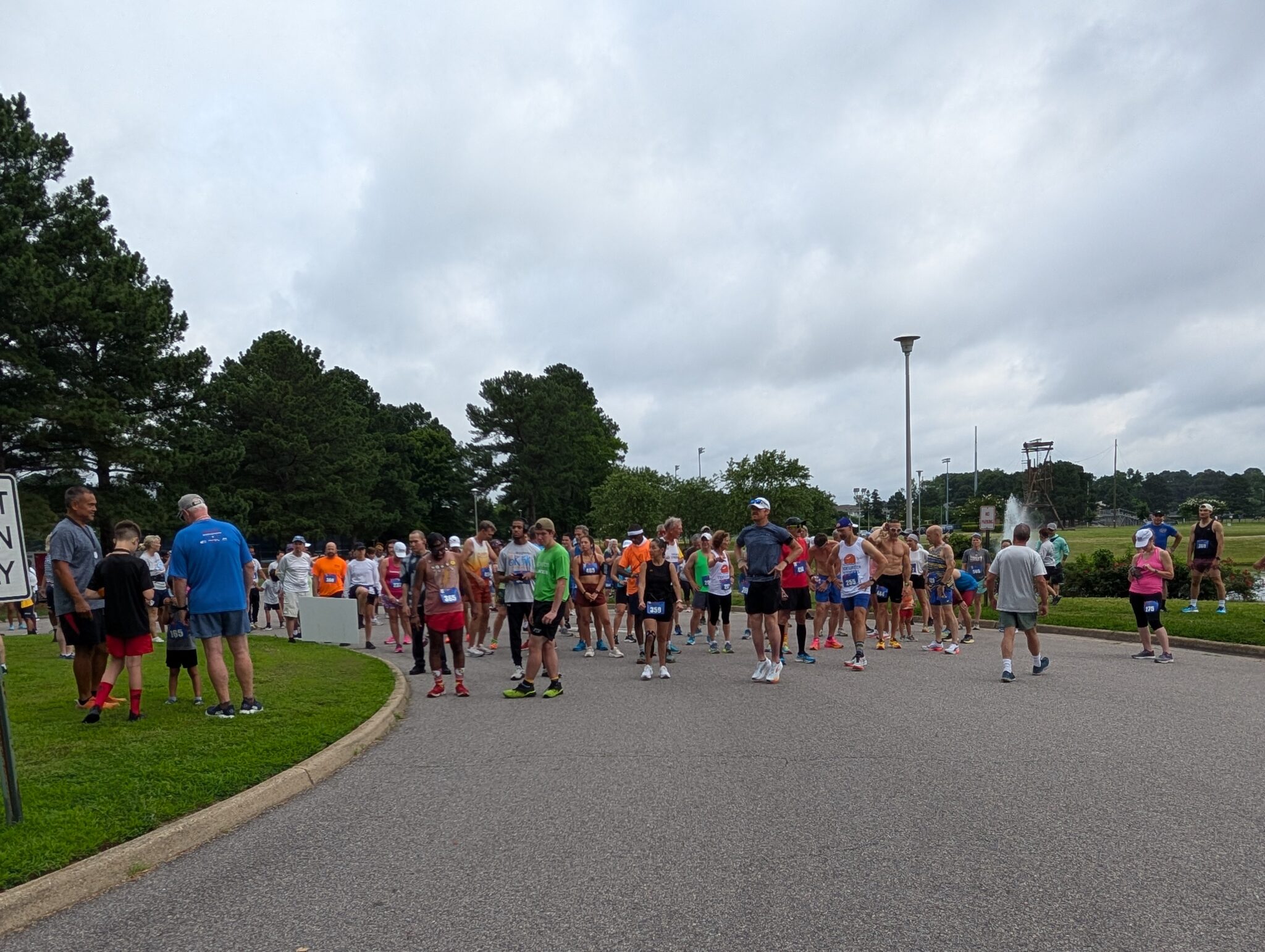
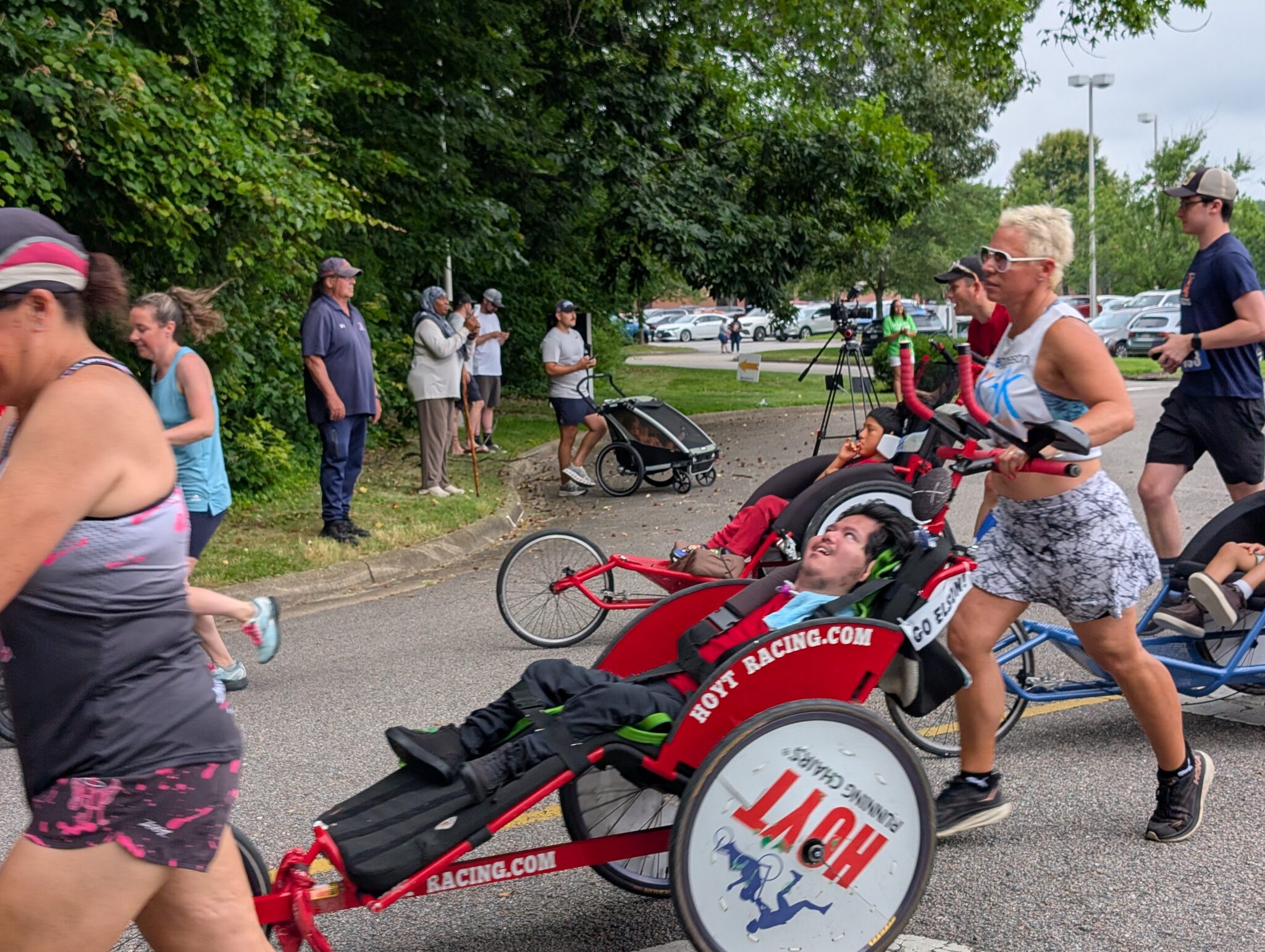
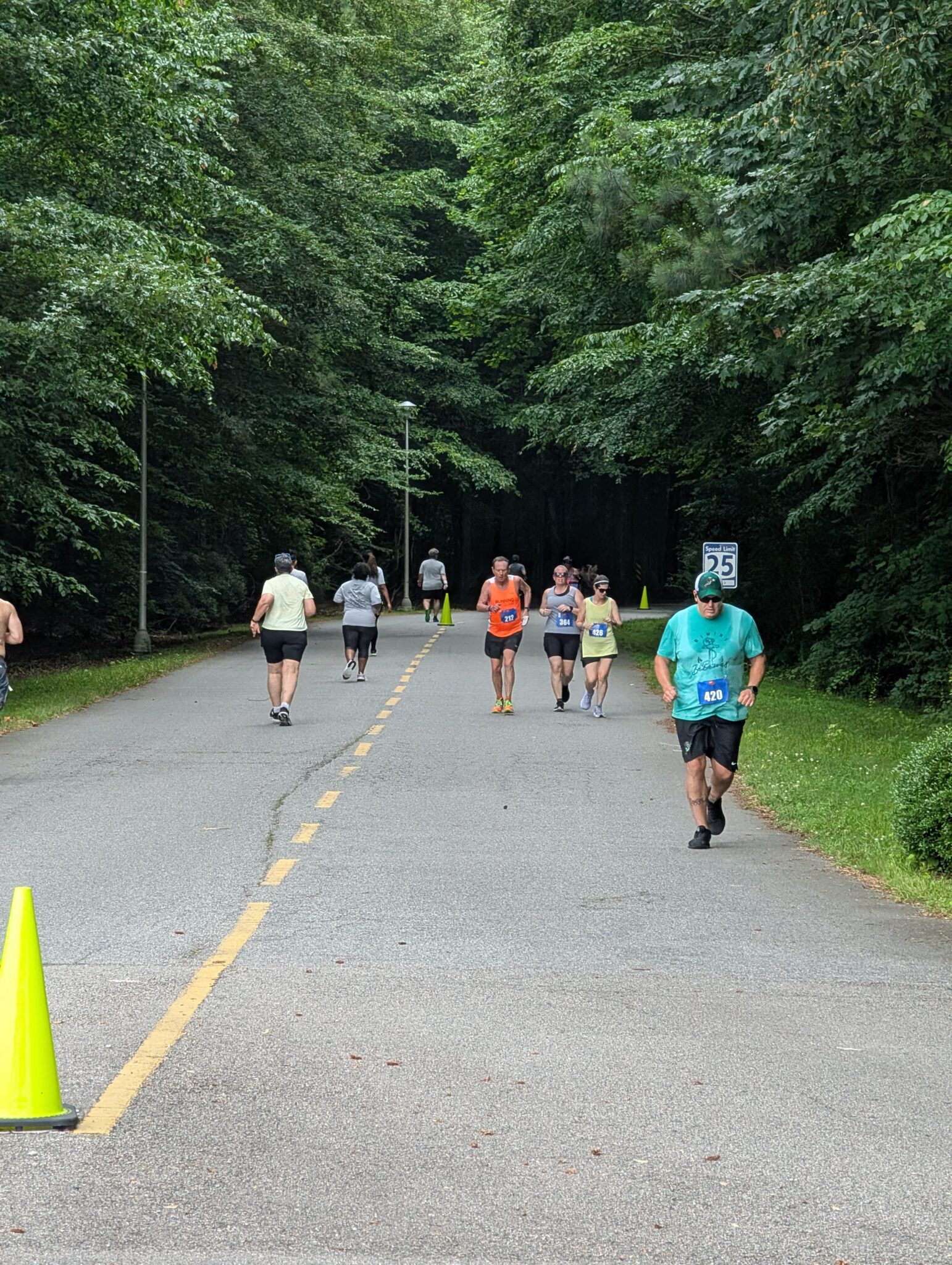
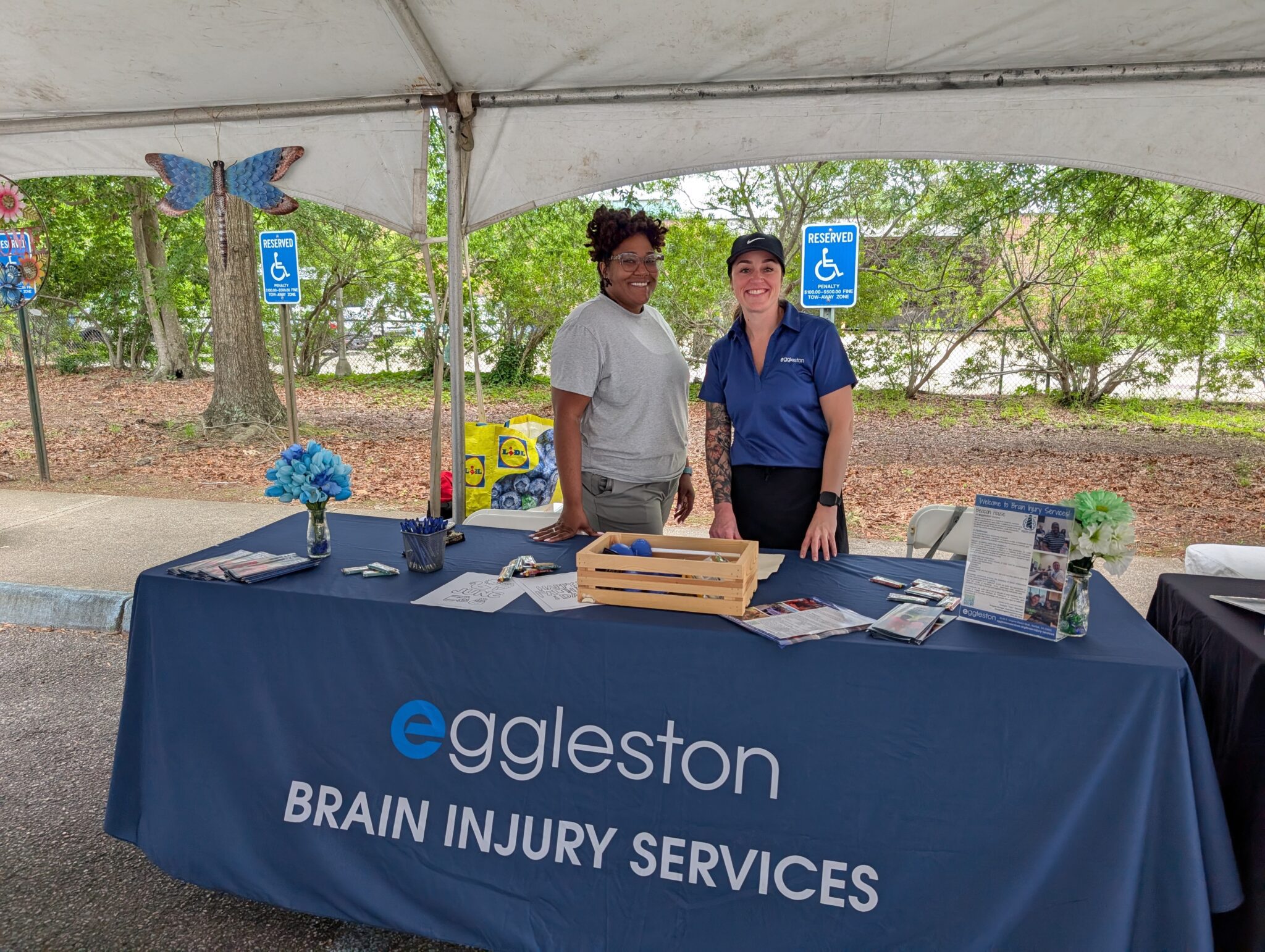
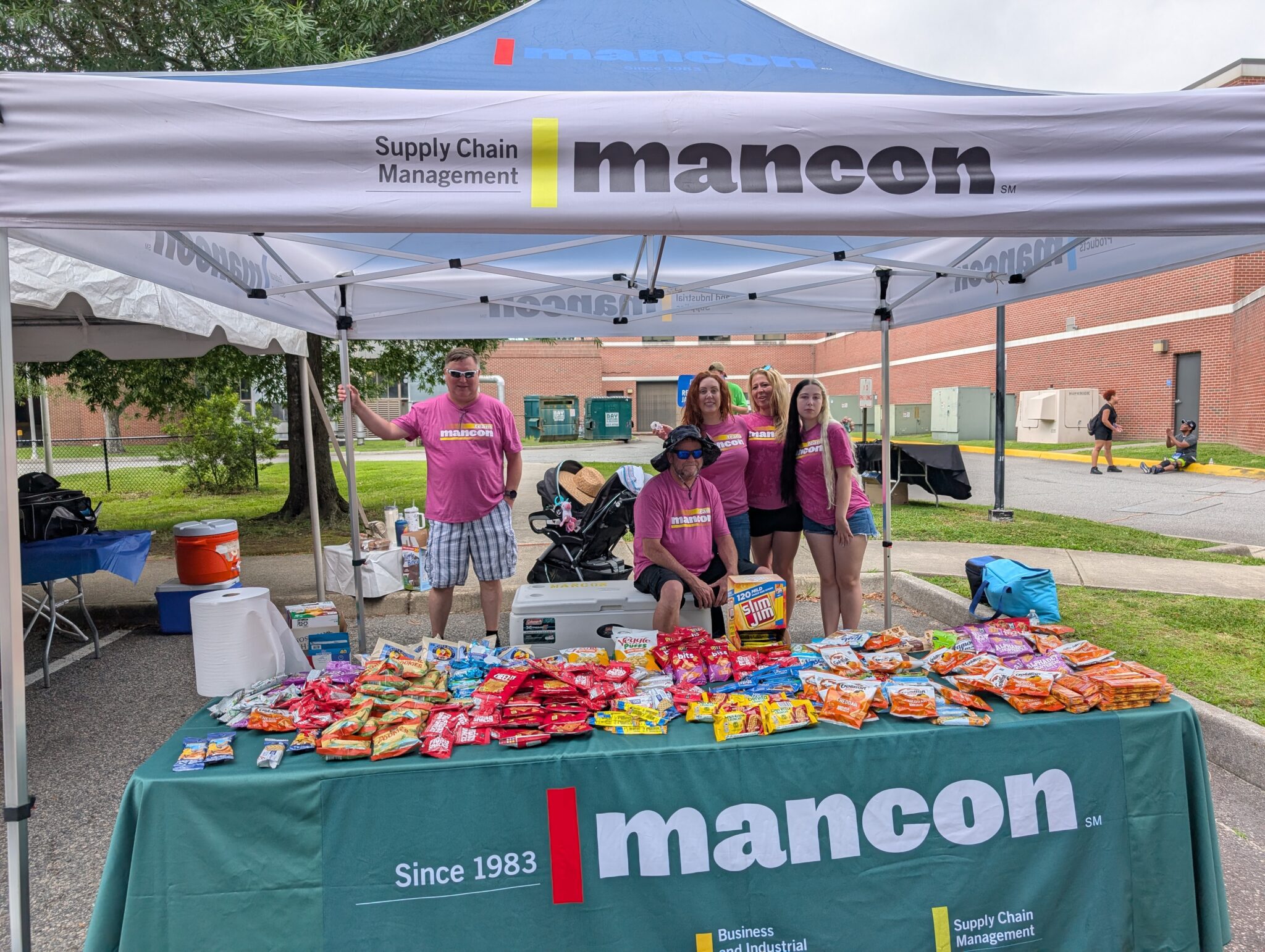
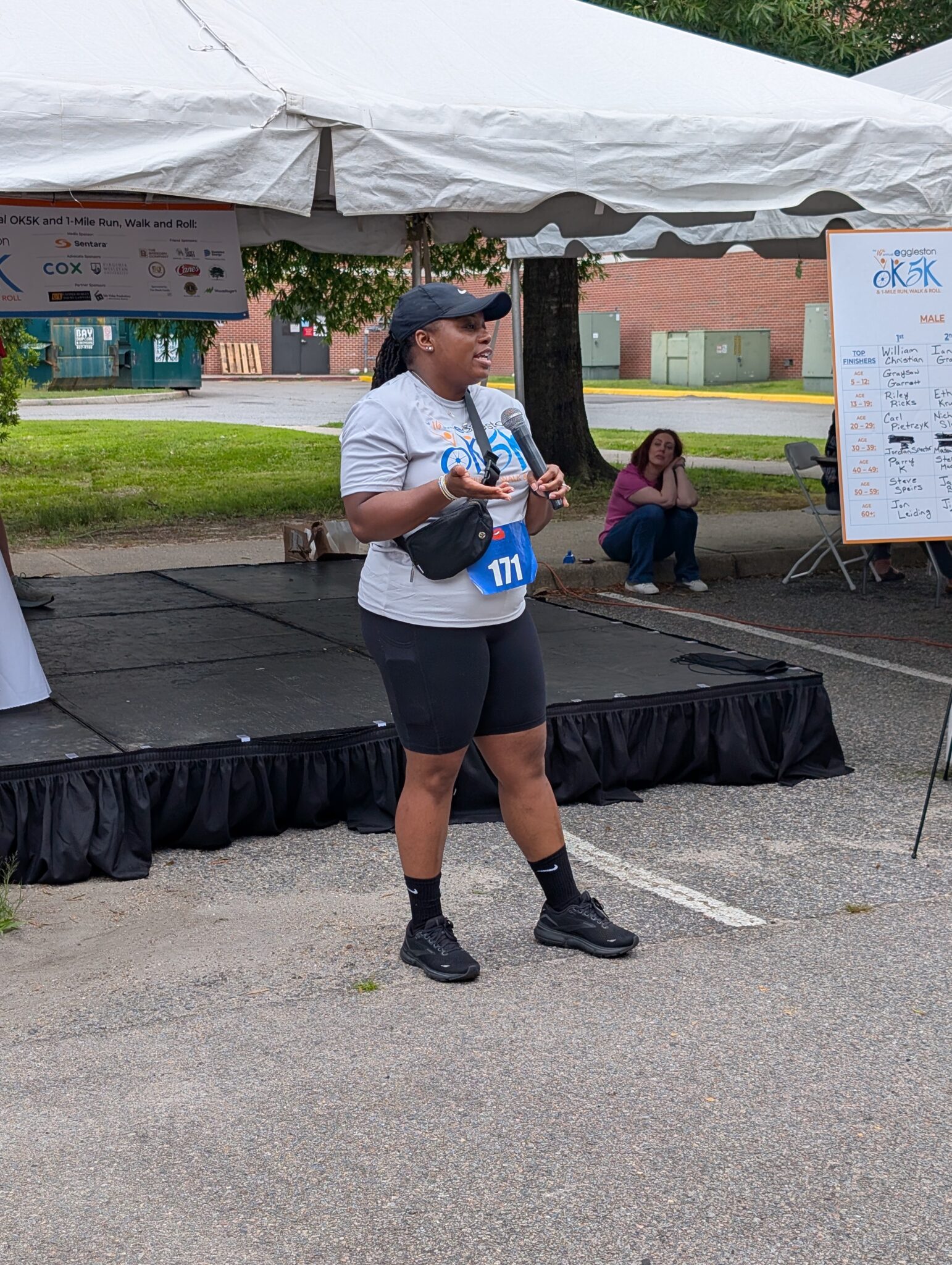
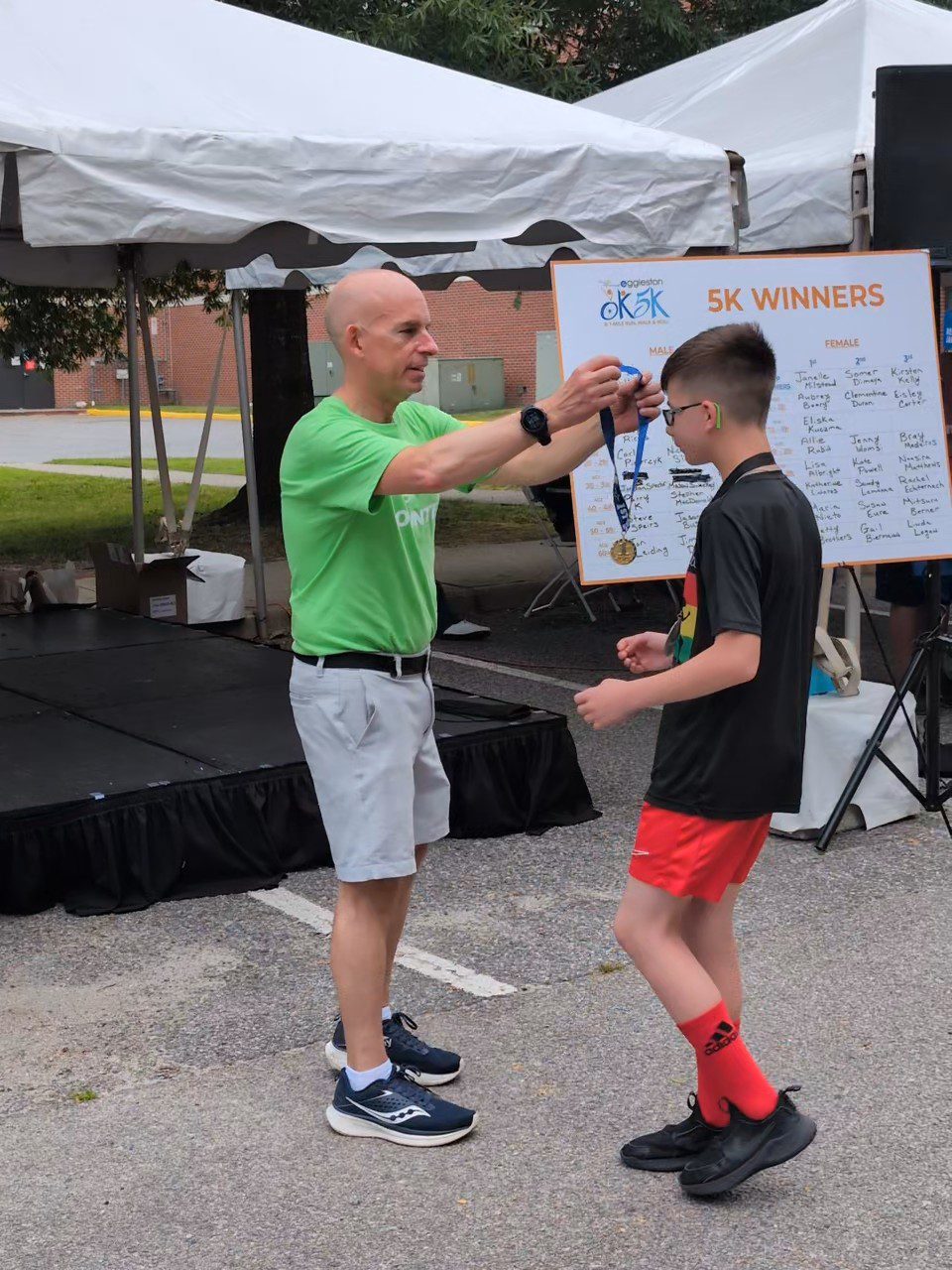
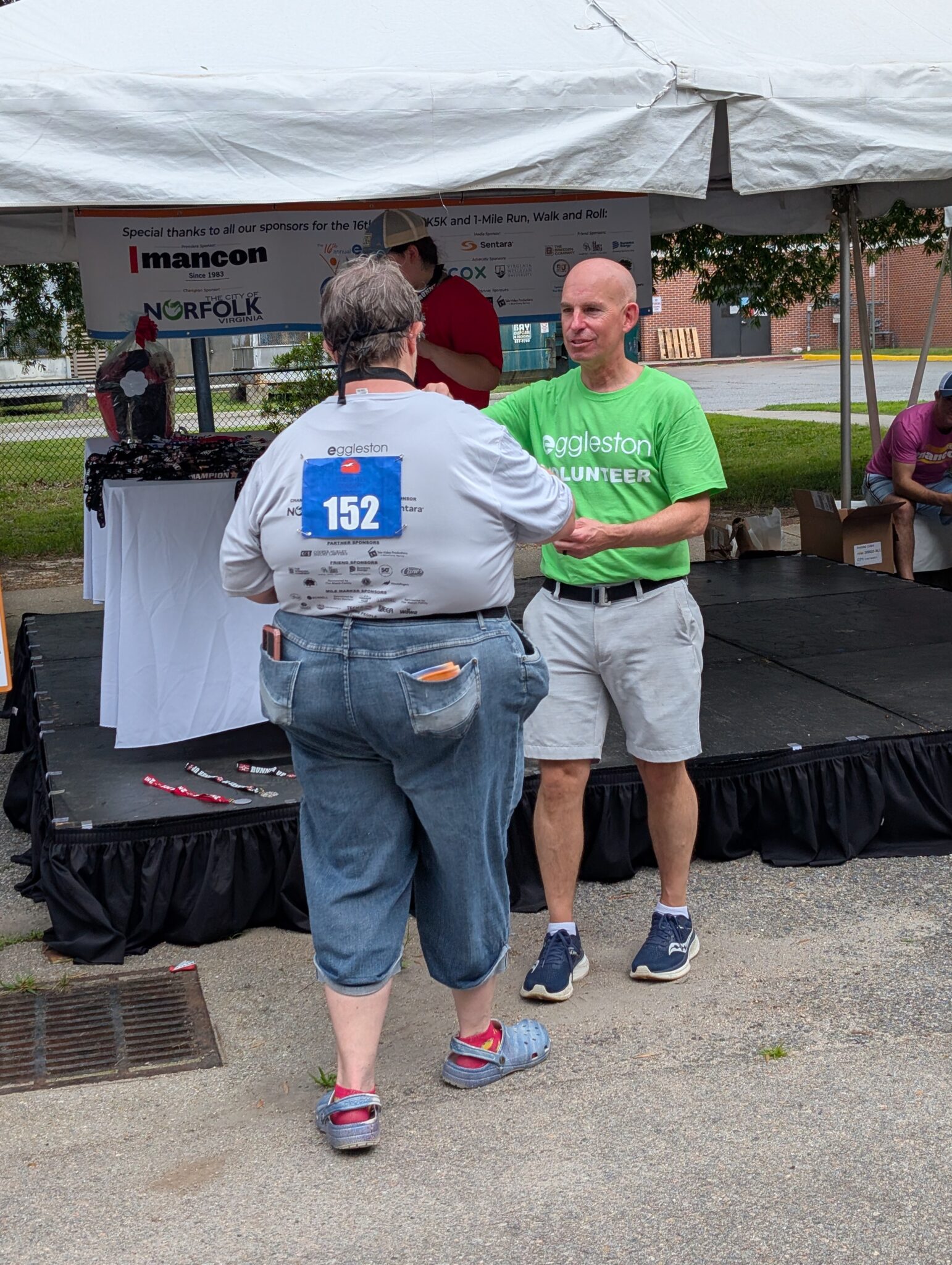
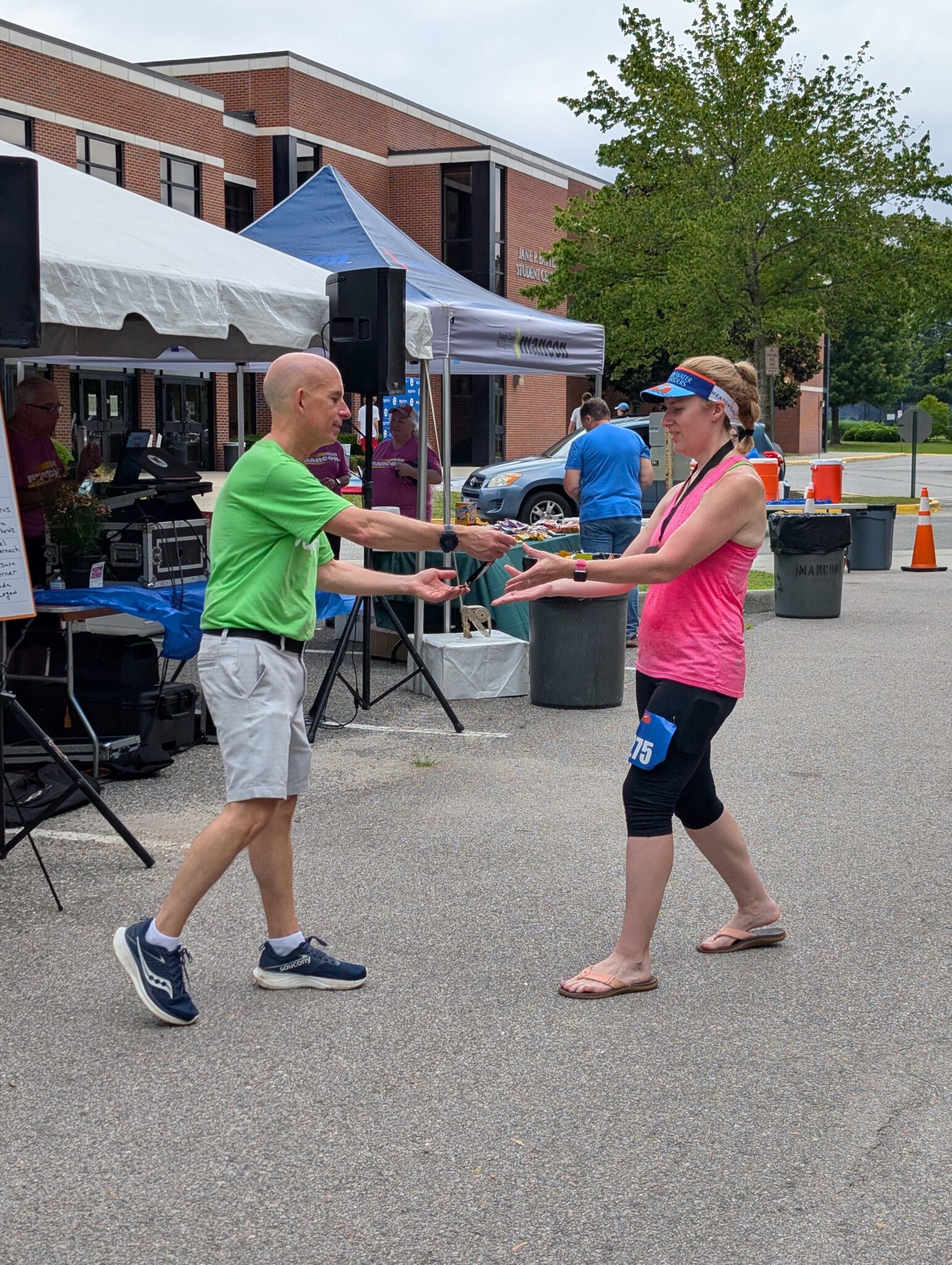
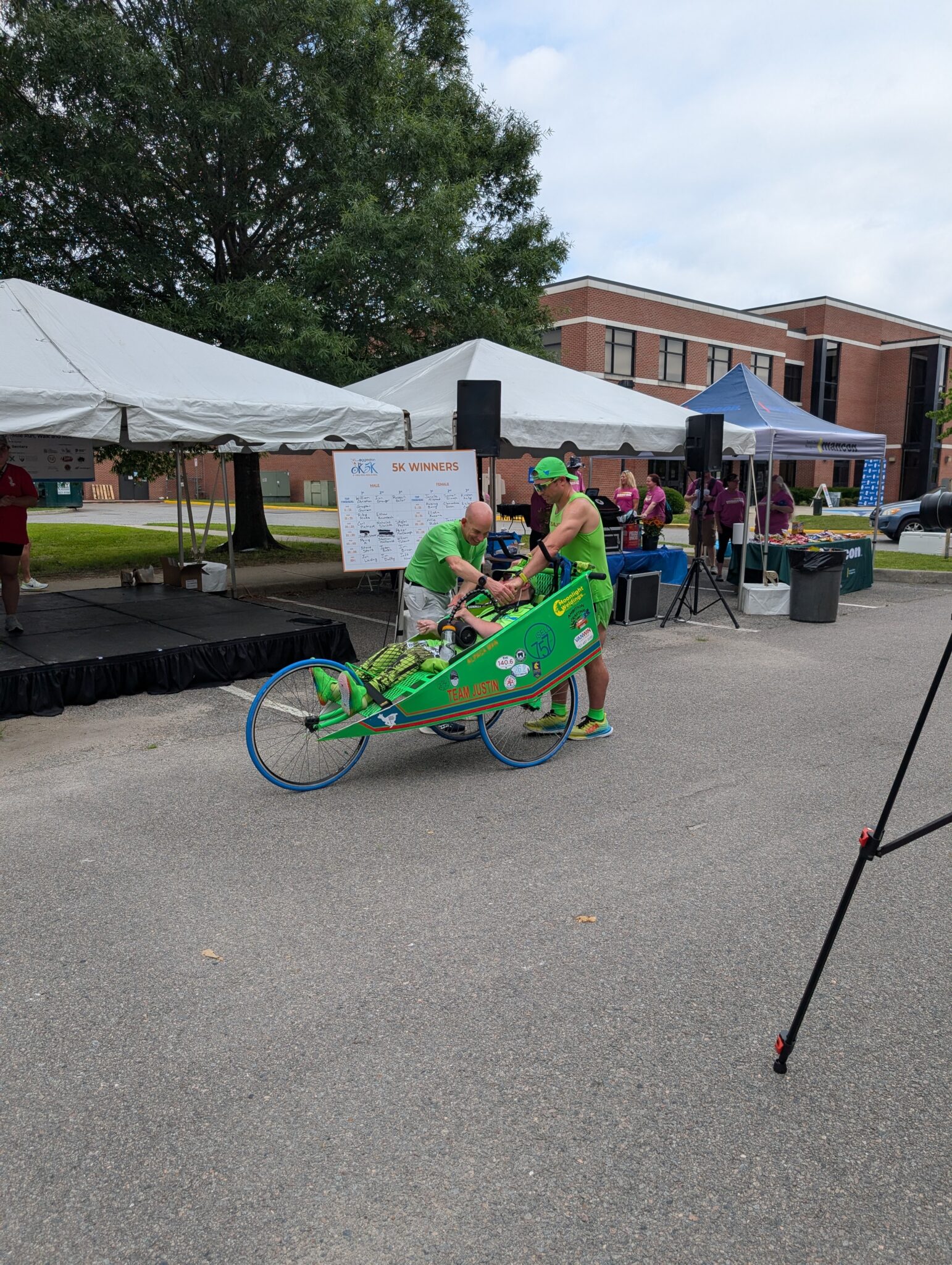
Thank you to everyone who came out to help us celebrate the

16th Annual OK5K and 1-Mile!

Thanks to your support we had another great year!!! 


Events like the OK5K would not be possible without the amazing support of our Sponsors, Volunteers, Staff, and Community! 


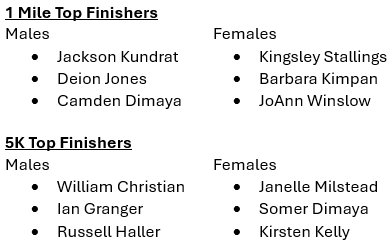
Congratulations to all of our top finishers and age level winners.  Click here for a full list of the results.


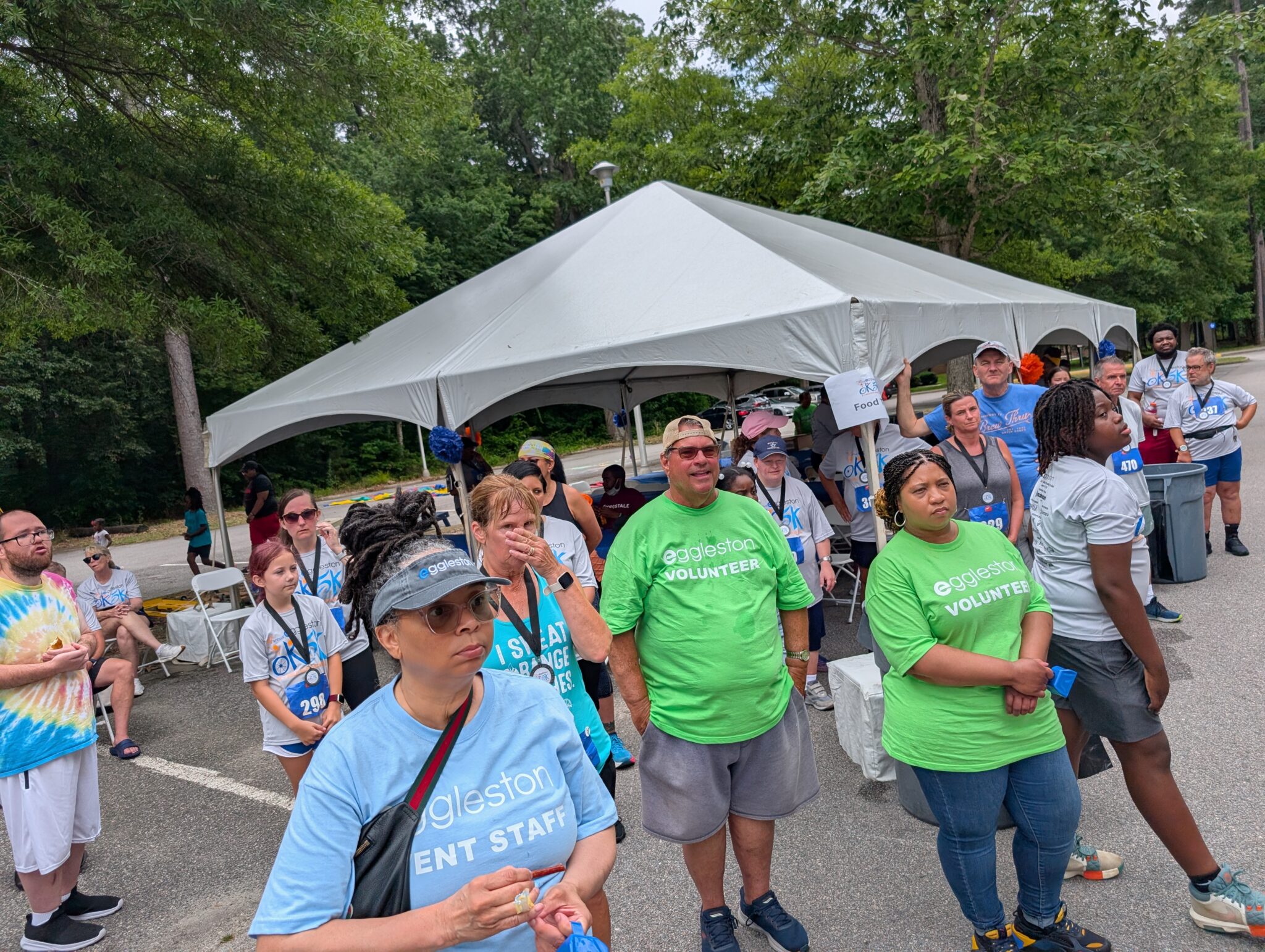
Below you will see some photos from the event.  If you have some photos from the event that you would like to share please email them to marketing@Egglestonservices.org.

Eggleston talks about

the 16th Annual OK5K and our Federal Contract Programs

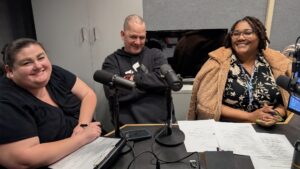
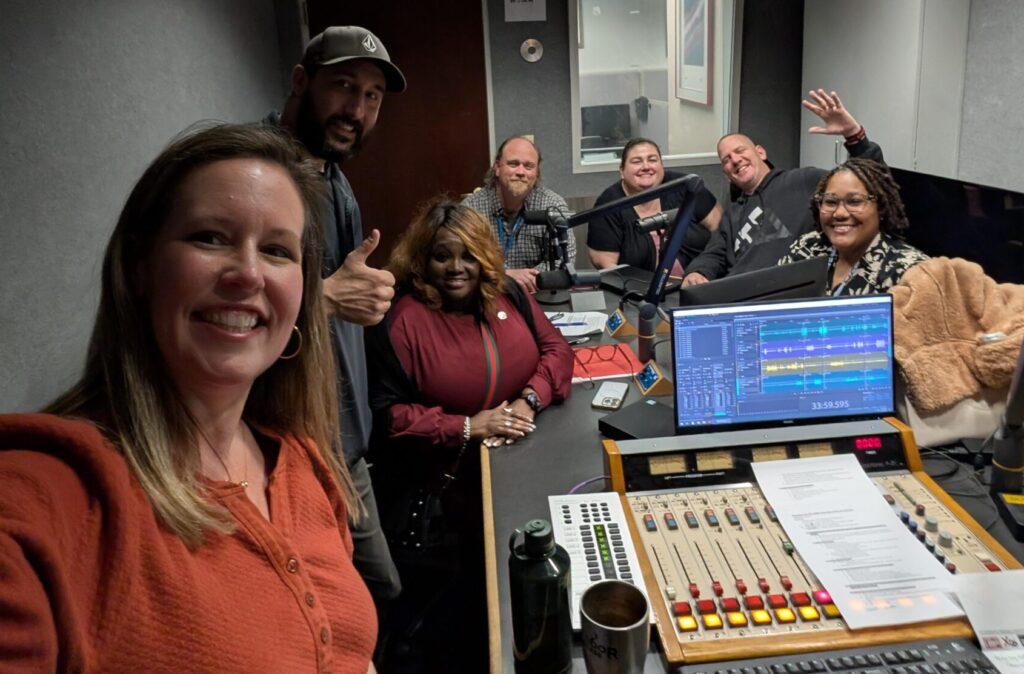
On May 24, 2025, Eggleston’s Director of Marketing, Kristen Ricks, was joined by several guests on News Talk 790 WNIS “Ask the Experts” show with Damien Hall. We started out by sharing a brief history of how and why Eggleston was started. We talked about what’s new in 2025 and highlighted some upcoming events including our Warrior Bridge Veteran’s programs participation in the annual Carry the Load walk, our 2nd Annual Head Strong Challenge, and our 70th Anniversary Gala. Click on the link below to hear the full story.

After the break we talk all about the 16th annual OK5K and 1-Mile Run, Walk and Roll on June 14th on the beautiful compass of Virginia Wesleyan University.  You will also hear from Paul Sumner who is representing this years premier sponsor Mancon and learn more about what they do. To hear more click on the link below.

Mancon logo


In the second half of the show we learn more about Mancon and how they support the OK5K. We also bring in Eggleston’s VP of Federal Contract, Cody Hancock to learn more about Eggleston’s Federal Contract programs through SourceAmerica and the Ability One Program.  We also speak with one of the success stories at our Norfolk Laundry, Nadine Jones. To hear from Cody and Nadine click on the link below.

In the final segment we talk more about our Federal Contracts and other programs including auto auctions, garden center, shredding and more.  You can also learn more about how you can get involved with Eggleston from volunteering, making a donation, sign up for a newsletter, etc. Learn more about Eggleston and how you can help make a difference in the Hampton Roads community.

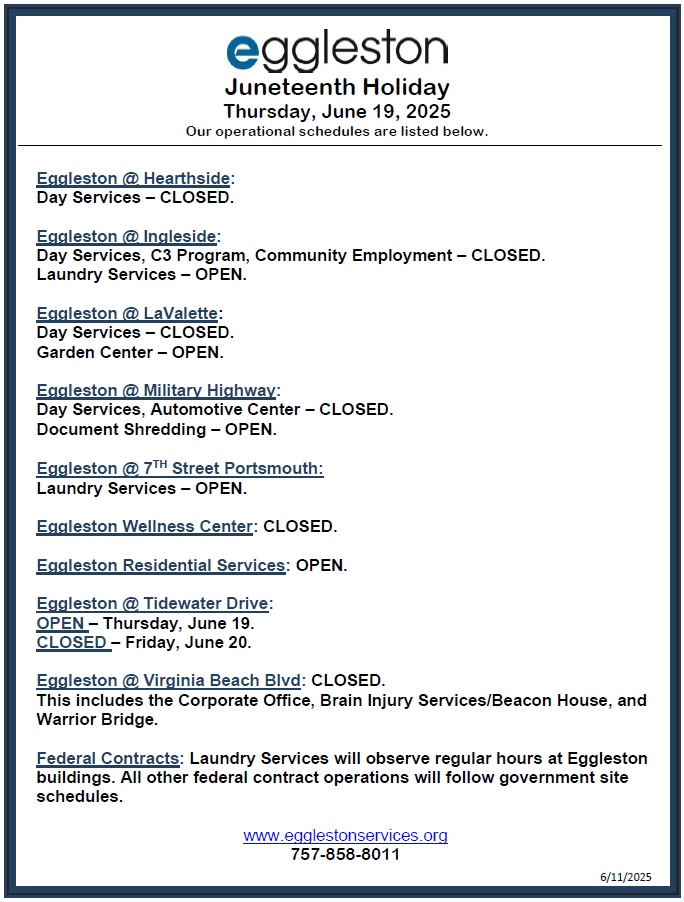
Please use these lists as a guide for our June 19, 2025 hours in observance of the Juneteenth holiday. For questions or additional information please call our front desk team at 757-858-8011 or email them at Info@egglestonservices.org

Thank You!

Juneteenth closure list


Selecting the right living arrangement for a loved one with disabilities is an important and emotional decision. It’s natural to feel a mix of hope, concern, and responsibility. The right group home can do more than provide a roof over their head; it can offer a nurturing environment that promotes independence, personal growth, and a sense of belonging.

At Eggleston, we understand how critical this decision is. We are committed to supporting adults with disabilities by creating individualized care environments where residents can thrive. Here’s a guide to help you choose a group home for adults with disabilities.
What Makes a Group Home Different?

Difference Between Assisted Living and Group Homes

A group home is a supportive living environment where individuals with disabilities live together in a shared residence. Residents typically receive assistance with daily living activities, while also having access to programs and activities that promote independence and empowerment.

Group home residents smiling and raising their hands in celebration while enjoying a meal around a table.

A group home is different from other housing options, like assisted living facilities, which focus more on providing medical care and support for seniors or those with significant health issues. Instead, group homes prioritize building life skills and fostering community.

Group Homes vs. Other Housing Options

Group homes differ based on the level of independence and support they offer. For instance:

  • Assisted Living Facilities often center on elderly care and medical needs.
  • Supported Independent Living (SIL) provides assistance for individuals who prefer to live in their own home or apartment but need some support with tasks like budgeting or personal care.
  • Group Homes are designed for residents who benefit from shared living arrangements and a structured environment offering personalized support.

When considering housing options, understanding the difference between assisted living and group homes can help you decide which setting aligns best with your loved one’s needs.

Adults with disabilities prepare a fruit smoothie together in a kitchen

Questions to Ask When Choosing a Group Home

To ensure you make an informed decision, here’s a checklist of essential questions to guide your search in selecting the right group home:

  1. What type of care does your loved one need?
    Evaluate their daily living needs, medical requirements, and supervision level required. Does the home have trained staff to offer the specialized care they might need?
  2. What level of independence do they want to maintain?
    Some group homes encourage greater autonomy, while others provide more structured care. When selecting the right group home, consider what environment will strike the right balance for your loved one.
  3. How important is proximity to family or community services?
    Location matters! Being near loved ones, recreational facilities, or services like schools, medical centers, and job opportunities can significantly improve overall quality of life.
  4. What daily life skills or programs are available?
    When determining how to choose a group home, look for homes that offer enriching activities, such as job training, educational support, or social activities.
  5. Is the home licensed and compliant?
    Confirm that the group home for adults with disabilities adheres to state and federal guidelines. Check for appropriate certifications, licensing, and compliance records.

Types of Group Homes for Adults with Disabilities

Group homes vary in design and offerings. Here are the most common types:

1. Supervised Group Homes

These homes provide 24/7 staffing, ensuring residents receive consistent support. Such environments are ideal for individuals who require close supervision and assistance with daily tasks.

2. Semi-Independent Group Homes

Residents in these homes have more autonomy but still receive support with high-level needs like transportation, meal preparation, or financial management.

The services and amenities in group homes can vary. For example, Eggleston offers five group homes for adults with disabilities, each uniquely designed to cater to specific levels of care and independence.

Three adults with disabilities smile and pose in front of a colorful Kona Ice truck during a community outing.

Personalizing the Search for the “Best” Group Home

What makes a group home the “best” option? The answer depends on your loved one’s individual needs. It’s important to remember that a good fit goes beyond proximity or amenities; it’s about ensuring your loved one feels comfortable, supported, and understood.

Here are some factors to consider when choosing the best group homes for adults with disabilities:

  • Cultural Fit: Does the home align with your loved one’s values, language, and lifestyle? A culturally inclusive environment can create a strong sense of community.
  • Activities and Social Engagement: Are there programs that your loved one enjoys, such as art classes, fitness programs, or volunteering opportunities?
  • Staff-Resident Interaction: Visit the home to observe how staff members interact with residents. Are they kind, patient, and attentive?

Touring multiple homes and talking directly to staff can provide valuable insights when making your decision.

Tips for Finding a Group Home

Finding the best group homes for adults with disabilities takes time and research. Here are some practical tips to guide the process:

  1. Start Early. Many group homes have waitlists, so beginning your search well in advance is key to securing a spot in your preferred home.
  2. Include Your Loved One in the Decision. Whenever possible, involve your loved one in discussions to ensure their preferences and comfort are prioritized.
  3. Tour Multiple Locations. Visiting several homes will give you a sense of the different environments and help you determine the best fit.
  4. Check Reviews and Licensing. Read reviews, and request licensing and inspection records to make sure the home meets state regulations.
  5. Ask About Staff Training and Safety Protocols. Confirm that staff members are qualified and trained in areas like medication management and emergency procedures.

How Eggleston Supports Families in the Decision Process

Founded in 1955, Eggleston is dedicated to providing exceptional support and creating environments that empower adults with disabilities. Our five group homes for adults with disabilities across the Hampton Roads area are tailored to meet diverse needs, fostering independence, community, and personal growth. Each home has trained professionals who offer compassionate, around-the-clock care for residents.

From the cozy atmosphere of Anna House to the nature-focused design of Howland House, Eggleston offers a variety of options to suit different preferences and needs. Beyond residential living, we also provide in-home support services for families seeking additional caregiving assistance.

If you need more tips for finding a group home and are ready to explore group home options, Eggleston is here to guide you. Speak with one of our intake coordinators today to discuss how to choose a group home with Eggleston.

Please use these lists as a guide for our May 26, 2025 hours in observance of the Memorial Day holiday. For questions or additional information please call our front desk team at 757-858-8011 or email them at Info@egglestonservices.org

Thank You!

Memorial day 2025 closing schedule

Many car owners face the same dilemma when it’s time to part ways with their trusty vehicle. Should you donate your car or sell it? Both options have their advantages and challenges, so the best choice often comes down to your priorities.

Are you seeking to maximize financial gain, simplify your life, or make an impact? This blog explores the pros and cons of car donation versus selling, helping you make an informed decision. Plus, if you’re considering donating, you’ll learn how Eggleston’s vehicle donation program makes the process simple and meaningful.

Ask Yourself: What Matters Most Right Now? 

Before deciding, consider what’s most important to you. Here are a few key questions to guide your decision-making:

  • Do you need cash soon?
  • Are you willing to invest time in preparing and selling your car?
  • Would you prefer an effortless process that supports a charitable cause?

Now that you’ve identified your priorities, let’s discuss the pros and cons of car donation compared to selling to see which aligns with your goals.

The Pros and Cons of Selling Your Car 

Selling your car outright may seem like the obvious option if you’re looking for the most money, but it’s not always as simple as it sounds.

Pros of Selling Your Car:

  • Higher Financial Returns: Selling privately often yields the highest cash value, especially if your car is in good condition and in demand.
  • Control Over Pricing & Terms: When you sell, you set the price and negotiate directly with buyers.
  • Flexibility in Selling: You can sell at your convenience, either online, through a dealership trade-in, or directly to a buyer.

Cons of Selling Your Car:

  • Time-Consuming Process: From cleaning and repairing to creating listings and scheduling viewings, selling a car requires significant effort.
  • Dealing With Buyers: Negotiating prices and dealing with potential buyers can be stressful, not to mention the hassle of strangers coming to your home.
  • Safety Concerns: Meeting unknown buyers can pose risks.
  • Vehicle Depreciation: The longer it takes to sell, the more value your car might lose.

If you’re short on time or don’t want to deal with the stress that selling entails, donating your car could be a simpler option.

The Pros and Cons of Car Donation 

Choosing to donate your car or sell it is determined by your goals. If your priorities include making a meaningful impact and reducing inconvenience, donating could be an ideal option.

Pros of Car Donation:

  • Effortless Process: Eggleston’s vehicle donation service provides free towing, even if your car isn’t running. We proudly offer free towing for car donations across Hampton Roads, including Virginia Beach, Chesapeake, Hampton, and Portsmouth.
  • Tax Benefits: Donating a vehicle may qualify you for a tax deduction, which can offset your car’s value.
  • Support a Meaningful Cause: When you donate through Eggleston, proceeds fund job training, housing, and programs for adults with disabilities in the Hampton Roads community.
  • Peace of Mind: No haggling, repairs, or shady transactions—just a simple, straightforward process.

Cons of Car Donation:

  • Lower Financial Return: The immediate monetary gain is often less than selling. However, many find the time savings and emotional value of contributing to a cause worth it.

Why Donating a Car to Charity Benefits More Than Just You 

When you choose to donate, you’re not just letting go of your vehicle. Donating a car to charity benefits both you and the community:

Local Impact: With Eggleston, proceeds from your vehicle donation directly fund programs for adults with disabilities, like job training, housing, and personal development resources.

Community Growth: Supporting local initiatives strengthens the social fabric of your area and fosters a sense of belonging.

Personal Fulfillment: Knowing your unused car is contributing to a positive impact provides a unique sense of fulfillment.

How Eggleston Makes Vehicle Donation Easy and Rewarding 

Eggleston ensures that your generosity creates lasting change—from empowering individuals with disabilities to promoting sustainability through vehicle recycling, your donation supports a legacy of impact. If you decide to donate, Eggleston makes it seamless and rewarding. Here’s what you can expect:

Step-by-Step Donation Process:

  1. Contact Eggleston for a free vehicle Pick-Up: We’ll arrange towing, no matter your car’s condition, or you may choose to drop it off at our Norfolk location on Military Highway.
  2. Paperwork: You provide a valid title, leave the keys, and Eggleston handles the rest. Upon the sale of the vehicle at auction, a settlement letter will be issued.
  3. Make an Impact: With minimal effort, you help fund life-changing programs for adults with disabilities.

Deciding between donating vs. selling your car is a personal choice with unique benefits for either path. While selling might provide quick cash, donating offers a sense of purpose and the opportunity to make a lasting impact. By choosing Eggleston, you’re turning a vehicle into an opportunity for yourself and your community.

Eggleston talks about

What’s New this Spring and Brain Injury Awareness Month


On March 15, 2025, Eggleston’s VP of Marketing and Development, Geraldine Eady and the Director of Marketing, Kristen Ricks, were joined by several guests on News Talk 790 WNIS “Ask the Experts” show with Damien Hall. We started out by sharing a brief history of how and why Eggleston was started. We talked about what’s new in 2025 and highlighted some upcoming events including our 16th annual OK5K and 1-Mile Run, Walk and Roll and our 70th Anniversary Gala. Click on the link below to hear the full story.

 Next we hear from Teslyn Savage, Eggleston’s Brain Injury Services Program manager and Jamie Peed, the Brain Injury Case Manager to talk about Eggleston’s Brain Injury Services and upcoming Open House event on Friday, March 21st, from 2 – 5pm at 5145 E. Virginia Beach Blvd., Norfolk, VA 23502.   Jamie also shares information about the expansion of our Case Management services and the 2nd Annual Headstrong Helmet Decorating Contest. To hear more click on the link below.

In the third segment we hear from Craig Lyons, Navy Veteran and Brain Injury survivor.  We also introduce Pete Bergstrom, the supervisor at Eggleston’s Garden Center and Farmers Market to talk about Spring planting and what’s new at the Garden Center.  To hear from Craig and Pete click on the link below.

At the end of the hour Pete talks more about the Eggleston Farmers Market and all the goodies the carry. Geraldine shares ways to get involved with Eggleston from donating a vehicle to volunteering and everything in between.  Learn more about Eggleston and how you can help make a difference in the Hampton Roads community.
A Vehicle Identification Number (VIN) offers a detailed snapshot of your car’s identity and history. This unique 17-character code reveals critical information—like make, model, accident history, and title status—that helps charities like Eggleston assess and process vehicle donations effectively. Understanding your VIN ensures transparency, legal compliance, and helps determine whether your vehicle is best suited for resale or use, ultimately maximizing the impact of your donation.

What is a VIN and Why Does it Matter?

A VIN is equivalent to your car’s DNA. It’s a unique 17-character code assigned to every vehicle that acts as an identifier that tells its story, detailing everything from a vehicle’s make and model to its history and condition.

The VIN is crucial for car donations to Eggleston. It helps us verify your vehicle, ensure compliance with legal requirements, and determine its potential use or resale value. By understanding the details the VIN provides, charities can process donations effectively and maximize the impact of your contribution.

What a VIN Reveals About Your Car

Your vehicle identification number information uncovers more about your car than you might think. Here’s what a VIN reveals:

1. Make, Model, and Year of Manufacture

The VIN identifies your car’s brand, model, and when it was built. This information is vital for determining its current value and resale potential, especially during auto auctions.

2. Vehicle History

Wondering how your car’s past can impact its future donation? The VIN details a comprehensive record of accidents, repairs and vehicle maintenance, recalls, and even the number of previous owners. These details help assess the condition of the vehicle.

3. Odometer Readings and Title Status

The VIN reveals odometer readings and title integrity, flagging issues like mileage inconsistencies, salvaged titles, or liens. This ensures that transfers during the donation process are smooth and compliant with state regulations.

4. Registration and Theft Reports

Has the car been reported as stolen? Is it registered out of state? The vehicle identification number information gives insights into the legal standing of the vehicle, preventing potential issues during ownership transfers.

Understanding these details helps Eggleston decide whether a donated car can be repaired or sold at a local auto auction.

The Car Donation Process and VIN Requirements

Interested in donating your car to Eggleston? Here’s a breakdown of the car donation process and VIN.

Step 1: Locate Your VIN

Your VIN can typically be found in one of these places:

  • On the dashboard, near the windshield on the driver’s side
  • Inside the driver’s door, on the door frame
  • On your vehicle registration or insurance paperwork

Step 2: Submit Your VIN

Once located, have your VIN details on hand when communicating with us about making a car donation with Eggleston. Our team will use it to verify your vehicle’s details and prepare for the next steps.

Step 3: Schedule a Pickup or Drop Off

After verification, Eggleston will schedule a free pickup or allow you to drop off your car. This flexibility makes the entire car donation process seamless. If you are located in Hampton or Portsmouth, we make the process just as simple. Learn more here: Vehicle Donation in Hampton and Vehicle Donation in Portsmouth.

Step 4: Receive Your Tax Receipt

Once your vehicle is auctioned, you’ll receive a receipt with the vehicle’s final sale price. This allows you to claim a tax deduction, adding even more value to your donation.

Why We Need Your Car Donation

Proceeds from vehicles sold at auto auctions directly support Eggleston’s mission to create employment and training opportunities for individuals with disabilities, including:

  • Adults with disabilities
  • Veterans managing PTSD or other disabilities
  • Brain injury survivors

Frequently Asked Questions

1. Can someone do anything with your VIN?

VIN alone can’t be used for identity theft or fraudulent activity. Still, it’s safe to share it with trusted organizations like Eggleston for donation purposes. Just avoid sharing personal documents alongside it, such as your driver’s license or title, unless it’s with a verified and secure source.

2. What does a VIN keep track of?

A VIN holds your vehicle’s full history, including:

  • Make, model, and year
  • Ownership history and recalls
  • Accident reports and repair records
  • Odometer readings and title status

3. Why does Eggleston need my VIN for a car donation?

The VIN allows Eggleston to verify your vehicle’s identity, assess its history, and determine how best to use or sell it. It also helps us stay compliant with state and IRS regulations, so you can receive proper documentation for your tax deduction.

4. Can I donate my car without a title if I have the VIN?

To donate your car, you’ll need both the title and the VIN. The title ensures ownership can be legally transferred, while the VIN simply helps confirm your vehicle’s details and eligibility. Learn more about Eggleston’s hassle-free car donation process here.

Drive Change with Every Donation

At Eggleston, vehicle donations are more than just transactions; they’re opportunities to change lives. By acknowledging the importance of VIN in car donations, you help ensure your car’s maximum potential is realized. Through your generosity, individuals with disabilities gain independence, confidence, and stable employment that helps them thrive in life.

Got a car collecting dust? Donate your vehicle to Eggleston to be a part of a mission that makes a difference! Call us to start a VIN check for a car donation today.