April is recognized globally as Autism Acceptance Month, a time dedicated to acceptance, inclusivity, and support for the autism community. This month and every month, Eggleston celebrates neurodiversity through its Community Employment Program and other opportunities, helping develop the necessary skills to increase their independence and achieve personal goals on the autism spectrum.
Our initiatives encourage a deeper understanding and appreciation of the diverse experiences within the autism community. We support autism awareness and advocate for the full participation of autistic individuals in all aspects of society, seeking to create a more inclusive world where everyone can live fully.
To honor this year’s World Autism Month, we’ve compiled resources for enriching the support network for autistic clients and students. Whether you are living with autism spectrum disorder (ASD), caring for someone who is, or simply advocating for greater acceptance, this blog offers valuable insights and practical tips to help with many aspects of daily life.
Resources For Every Side of the Spectrum
1. Individual Goals
Everyone has their own set of challenges and things they’re good at, so tailoring plans for education, work, and day-to-day life that fit each person can help boost confidence and independence. This approach improves their overall quality of life.
When we focus on setting realistic goals based on the individual, not just the autism, we’re saying, “You matter, and your success matters.” It’s all about respecting the person and helping create a space where they can truly thrive.
Resources:
National Institute of Mental Health (NIMH) Digital Toolkit
Provides informational materials based on the latest research during National Autism Acceptance Month.
Therapy Goals for Adults with Autism
Holistic approach addressing communication skills, social integration, and personal independence.
2. Employment
Securing a job is a critical step for adults on the autism spectrum toward reaching their career aspirations and gaining more independence. Employment resources offer vocational training and fight for the accommodations people need in the workplace. This support helps match the unique talents of individuals with autism to the needs of employers, paving the way for not just a job but a fulfilling career. These employment resources for autism cultivate a diverse and inclusive workplace, benefiting all and promoting growth personally and within the community.
Resources:
Eggleston Community Employment Program
Integrated into Eggleston’s careers, this program assists adults with disabilities, including autism spectrum disorder (ASD), in finding employment by providing support throughout the process.
Real Work For Real Pay: A Self-Advocate’s Guide to Employment Policy
Explains existing policies to help people with disabilities find and keep fulfilling jobs.
Job Accommodation Network (JAN)
Guides workplace accommodations and employment issues.
3. Social Interactions
For adults on the autism spectrum, being part of social interactions is incredibly beneficial. It’s not just about talking to people; it’s about making meaningful connections and learning to handle the sensory inputs that come with different environments. They work on tuning down the noise and distractions that make social settings hard to navigate. Plus, by focusing on building relationships, they’re practicing communicating more effectively and becoming more self-aware in the process.
Resources:
Our World and Autism: Making Friends as an Autistic Adult
Offers helpful tips for making friends as an autistic adult. It suggests connecting with local autism organizations, participating in activities, and using online communities.
Autism Speaks Social Skills Toolkit
Provides a comprehensive toolkit with tips and information for improving social skills. It covers topics like play, conversation, emotional, and problem-solving skills.
The Spectrum: Autism Social Interaction Strategies
Offers practical advice on understanding social cues, managing conflict, and developing social interaction skills. It emphasizes the importance of play, conversation, and emotional skills.
4. Anxiety Management
For people with autism, learning how to handle anxiety can make a big difference in everyday life and happiness. Using straightforward ways to relax and calm down—like breathing exercises or quiet time—can significantly help. It’s important to recognize when you’re starting to feel anxious so you can deal with it early on. This means less stress and more enjoying life’s moments.
Resources:
ADDitude
The magazine article provides insights into recognizing anxiety disorders and understanding their effects on individuals with autism spectrum disorder (ASD).
ECL Easy Read Guide
Helps adults with learning disabilities and/or ASD manage anxiety.
Autism Speaks
Details treatment options for ASD in adults, emphasizing personalized approaches. Techniques such as CBT, mindfulness, and distress tolerance are highlighted for their effectiveness in managing anxiety.
5. Self-Care
Self-care empowers adults with ASD to take good care of their bodies and minds. This, in turn, sets them up for more freedom and self-assurance. Learning essential life skills such as cooking, cleaning, and finances equips them with the tools to handle everyday responsibilities and hurdles smoothly. Developing this area is vital for independent home life.
Resources:
Eggleston Residential Care
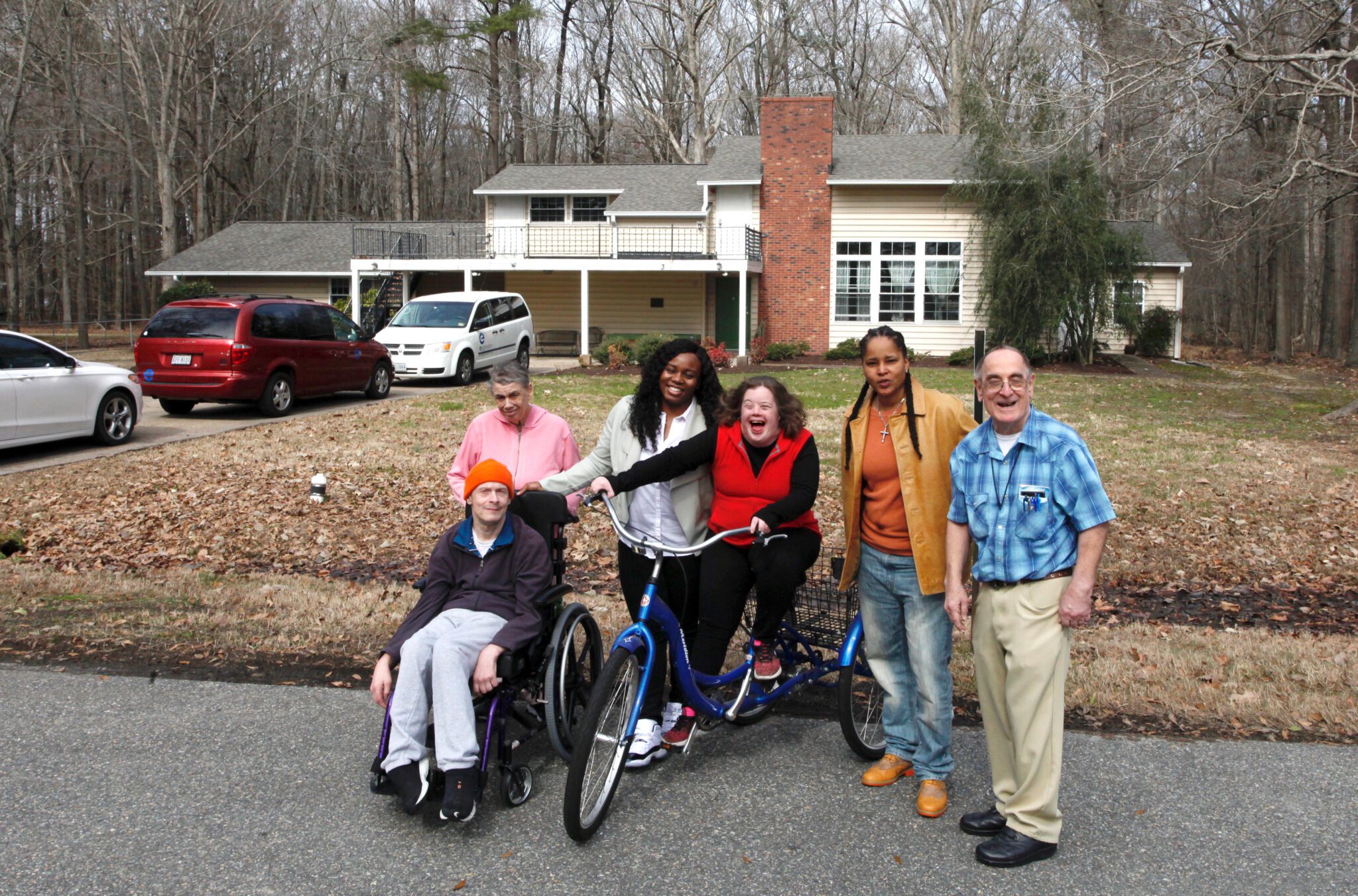
Provides tailored support in both in-home and group settings, inspiring self-care and independence for adults with intellectual disabilities through skill-building in a supportive environment.
Autism Self Advocacy Network
Provides advocacy tools and educational resources for people with autism.
For more information on these resources or to support our initiatives with a donation, please contact Eggleston Services.






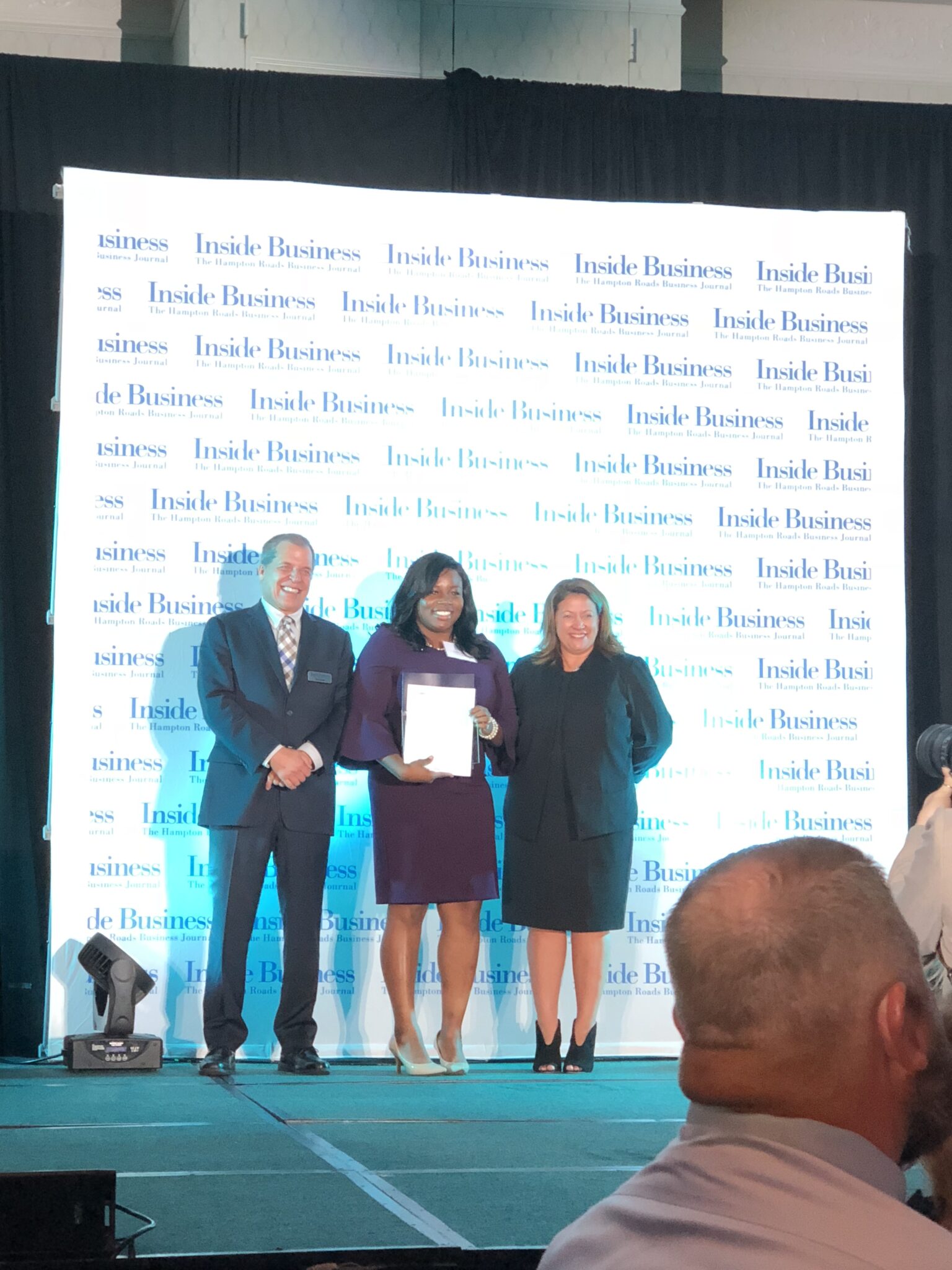
 Tasha started her journey at Eggleston in 2009 as a Direct Support Professional (DSP) at Civitan Acres Day program. Over the next few years, Tasha not only learned how to work with individuals with a wide range of disabilities, she also learned about how to work with and manage a staff. In 2010, she was promoted to Assistant Manager at Civitan, in 2012 she became the manager of our Tanners Creek Day program, and in 2014 she was promoted to the Associate Vice President of Day Services. Tasha’s genuinely kind heart and head for business didn’t stop there. In 2015, she moved into Eggleston’s residential division to help that program grow and became the Director of Residential Services 2016. In 2020, Tasha became the Vice President of Waiver Services (later to be renamed Rehabilitative Services) making history by coming the first female and person of color to hold a Vice President position at Eggleston. Most recently, Tasha was named Eggleston’s first female Chief Operating Officer and assumed the role on January 1, 2024.
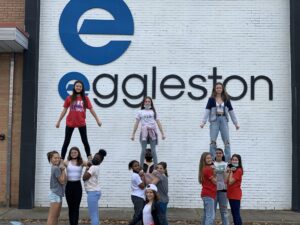 In addition to all of her work and dedication to Eggleston, Tasha also makes time to give back to her community. Having been a cheerleader all her life Tasha wanted to share her love for the sport with the next generation, so she has been the Independence Middle School cheerleading coach for the last five years. But Tasha isn’t just teaching these young ladies about cheering, she is also teaching them about life. Each of her cheerleaders are required to do volunteer work in the community. While they often do this work as a squad, several of her former cheerleaders have carried on the love for service and have become summer interns with Eggleston.
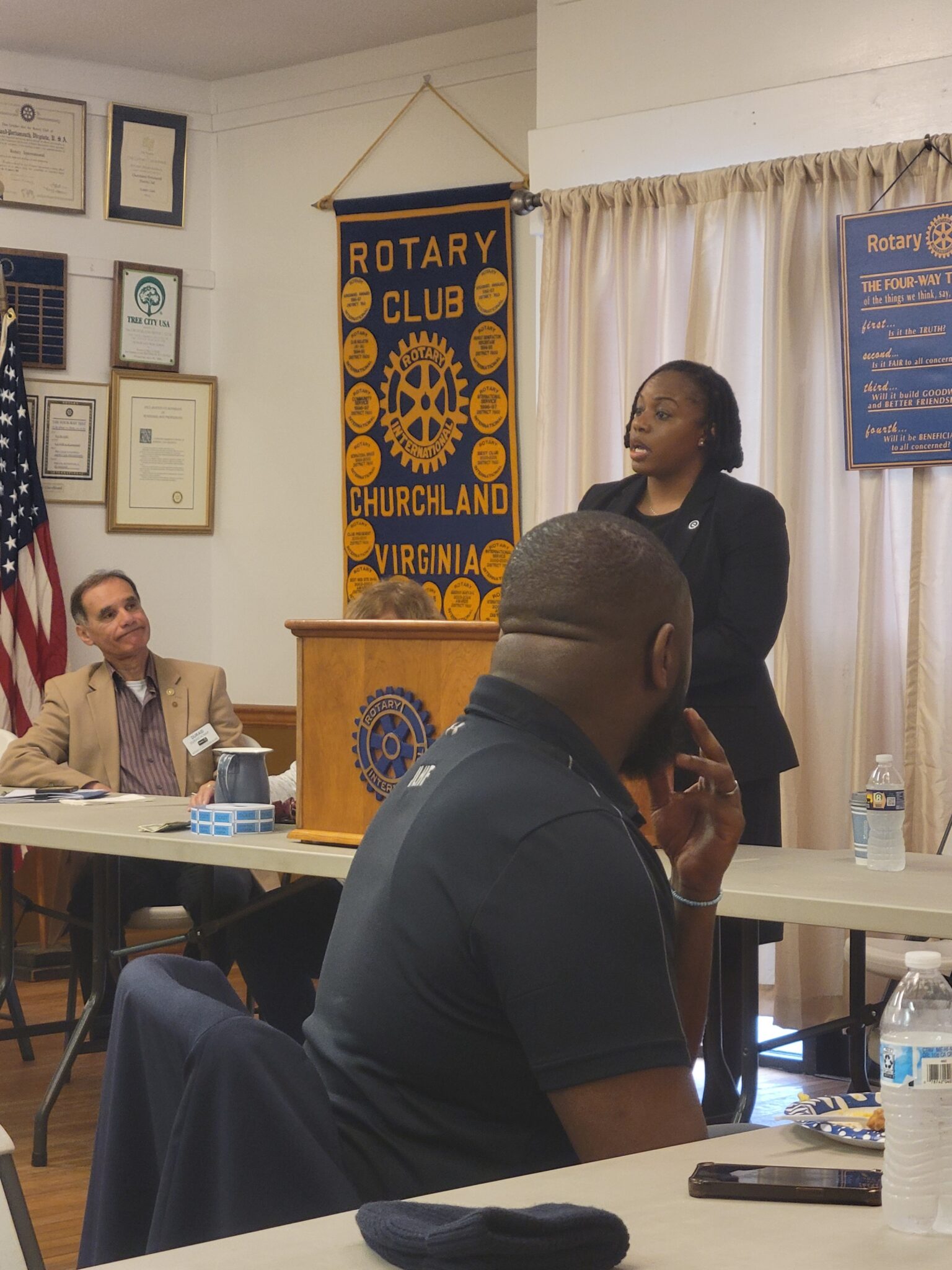
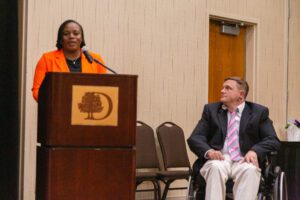 When asked what’s next, Tasha mentioned that she would like to do more speaking engagements. She shared that she is still a bit nervous until she gets to know people so speaking to groups allows her to continue her personal growth. She would also like to share her story with others to help inspire the next generation and let them know they can accomplish anything they are willing to work for.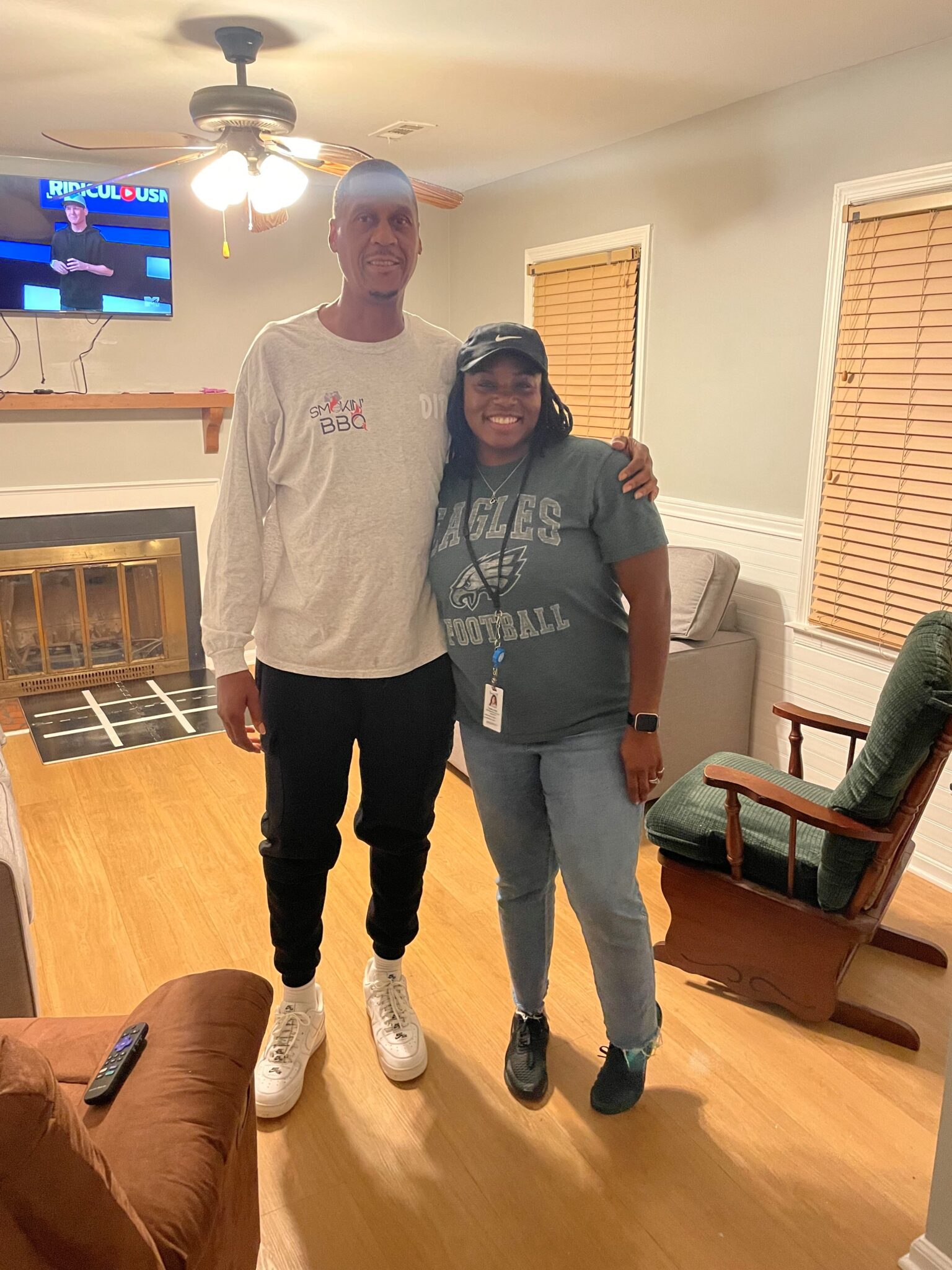
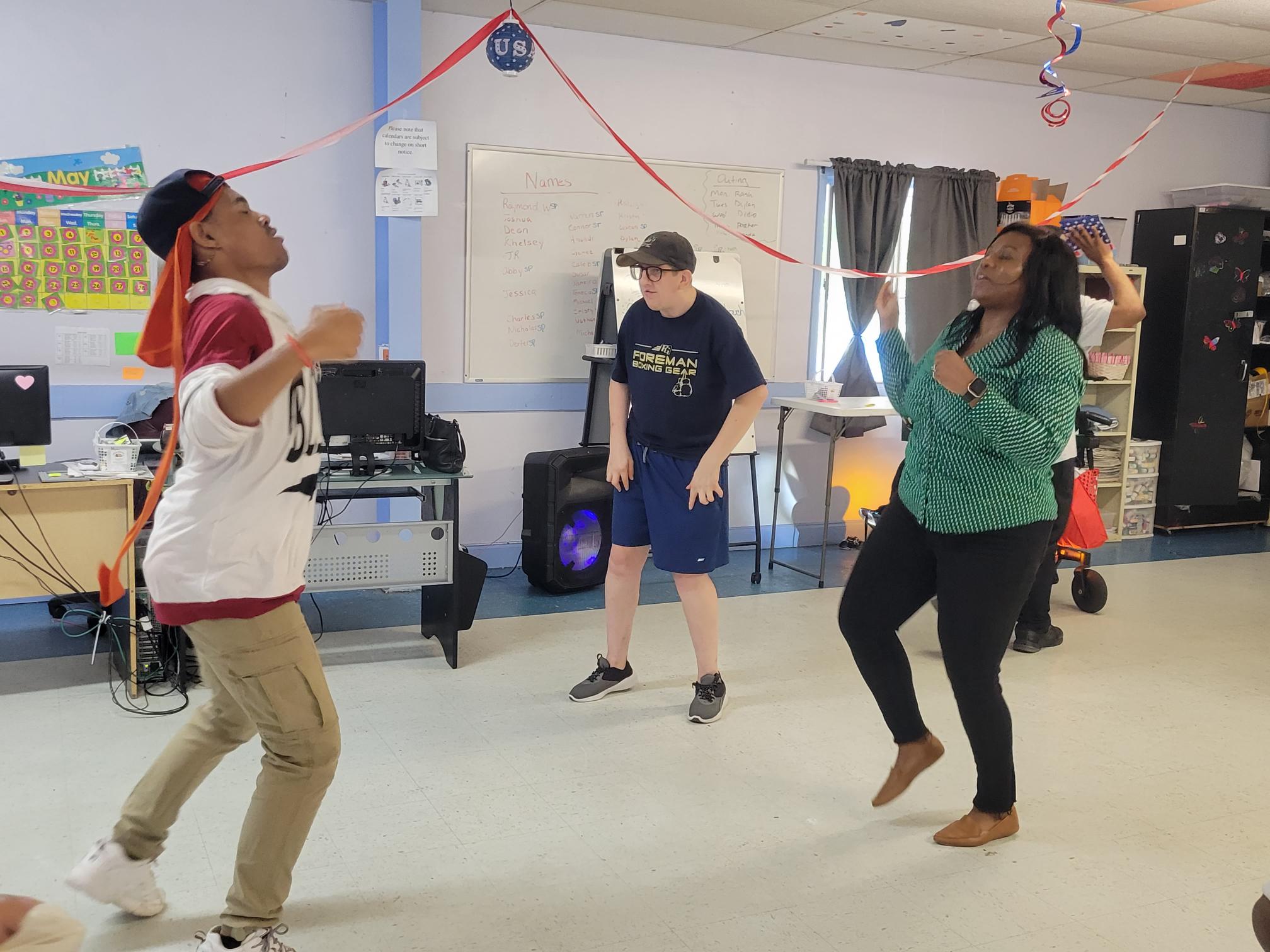

















 Excellence in Action is a phrase we at Eggleston use to highlight examples of our employees or program participants going out of their way to help another or for going above and beyond in the performance of their job. Recently we had a great example of Excellence in Action by two of our newer employees.






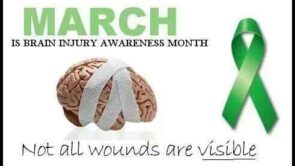 March is Brain Injury Awareness month so we wanted to spend some time talking about What is a Brain Injury as well as the services Eggleston’s Brain Injury program provides. Hear more about this important subject from Teslyn “Tes” Savage, Brain Injury Manager and Jamie Peed, Brain Injury Case Manager. And since there is unfortunately more people in need than there are resources, we also invited Letitia Council, founder of The Nasia Foundation to join the discussion and share how her organization is helping individuals 17 and under who have an acquired brain injury. To hear their discussion listen to the segments below.